Canberra's employment landscape is entering turbulent waters as businesses across the nation's capital grapple with a confluence of economic pressures that threaten job creation and wage growth.
The ACT's unemployment rate has ticked upward to 3.8 per cent in recent months, a marked shift from the tightness seen in 2025. Employers in the Canberra Business District and surrounding precincts report they are increasingly cautious about recruitment, with many freezing new hires and deferring expansion plans. The professional services sector, which clusters heavily around Forrest and Barton, has been particularly cautious. Several mid-sized consulting and accounting firms have publicly signalled slower growth trajectories this financial year.
One of the most acute challenges is the skills gap. Technology and engineering roles remain stubbornly difficult to fill, forcing employers to offer premium salaries or look beyond the ACT labour market entirely. Meanwhile, the construction and hospitality sectors—vital contributors to employment in venues around Gungahlin and Woden—are battling recruitment difficulties compounded by visa visa policy uncertainty. Hospitality operators report difficulty retaining international workers, leaving establishments understaffed during peak periods.
Rising operational costs are another serious headwind. Commercial rent in prime office precincts like Acton and Kingston has climbed steadily, while utilities and wage pressures mount. For small to medium enterprises operating from shared workspaces in Braddon or Dickson, margins are tightening noticeably. Several local business owners have indicated they are postponing office relocations or upgrades planned for mid-2026.
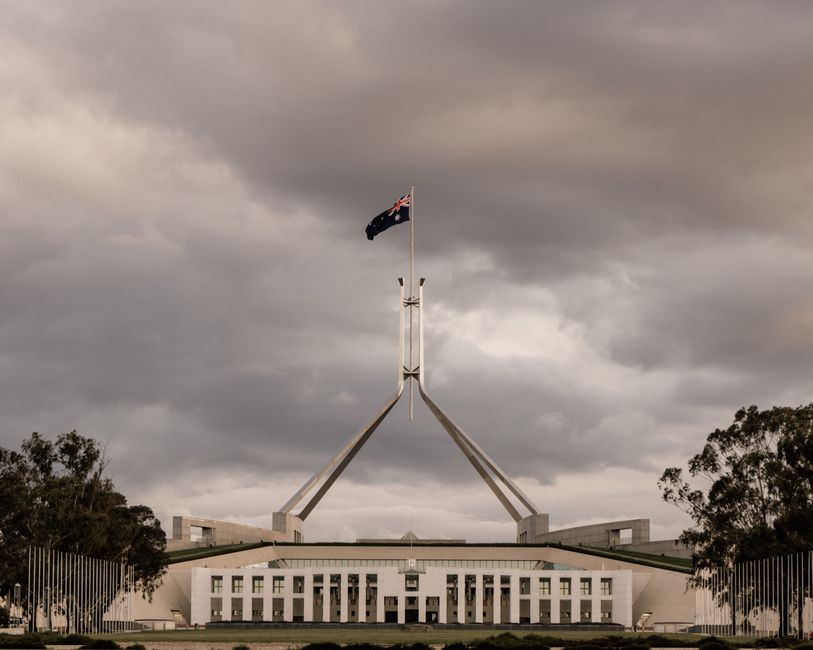
Federal budget constraints add another layer of uncertainty. Government employment—traditionally Canberra's largest employment source—faces potential restraint as fiscal pressures mount globally. Departments based around Russell and Parliament House are reportedly implementing hiring freezes in non-essential roles, a signal that ripples through the broader economy as government contractors and service providers prepare for softer demand.
Youth employment has also weakened. Graduate placement rates among ACT universities have softened compared to the same period last year, with school leavers facing more selective employers and fewer entry-level opportunities in administrative and junior professional roles.
Industry bodies representing Canberra's business community acknowledge these headwinds but emphasise that sectors focused on digital services, renewable energy, and professional consulting remain resilient. However, without relief on operational costs or renewed confidence in consumer demand and government spending, the employment picture for the remainder of 2026 remains decidedly clouded. Employers and job seekers alike are bracing for a longer period of caution before conditions reset.
This article was compiled by AI and screened before publishing. See our editorial standards.