culture
Canberra's Street Art Renaissance: Why Everyone's Suddenly Talking About Design Districts
A bold new push to turn laneways into galleries is reshaping how locals see their city—and attracting artists from interstate.
2 min read
culture
A bold new push to turn laneways into galleries is reshaping how locals see their city—and attracting artists from interstate.
2 min read
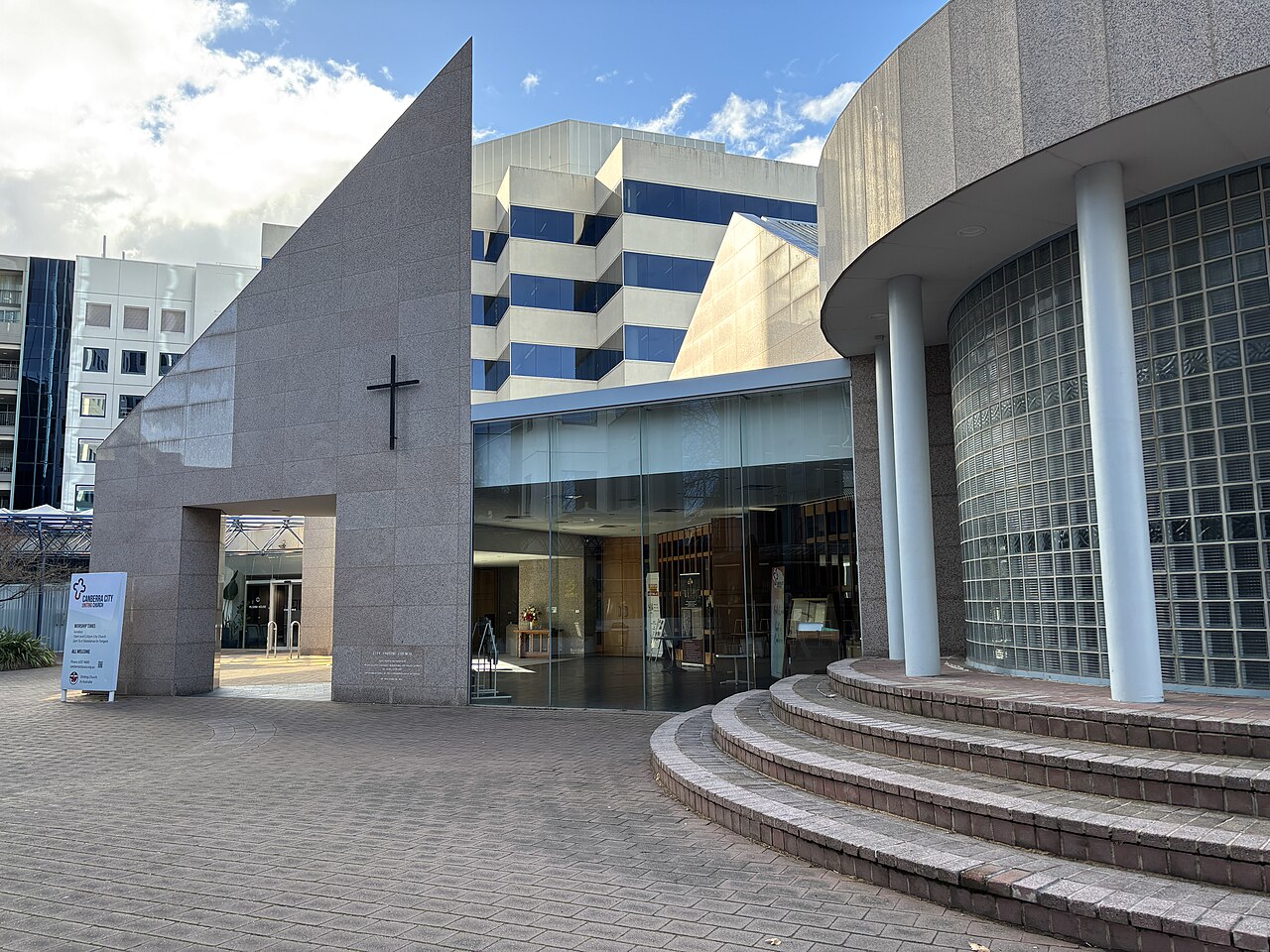
Walk through Canberra's inner north these days and you'll notice something has shifted. The laneways around Braddon and Dickson are no longer just shortcuts between shops—they're becoming destination galleries. The transformation has sparked genuine conversation about what our city could become, and why creatives are suddenly seeing opportunity where there once was only concrete.
The catalyst appears to be a confluence of factors. The ACT Government's urban renewal agenda has loosened restrictions on street art in designated precincts, while property developers eyeing Canberra's growing population have begun commissioning large-scale installations. Meanwhile, independent collectives like Kingston Arts Precinct have been running their own initiatives, creating what amounts to an unofficial creative infrastructure.
The economics are shifting too. A typical laneway mural commission now runs $8,000–$25,000 depending on scale, but gallery foot traffic has measurably increased. Local business associations report a 15–20% uptick in cafe visits in areas with active street art programs over the past 18 months. That's not insignificant in a city still finding its cultural identity.
What's genuinely capturing public imagination, though, is the emergence of design clusters with distinct character. Wentworth Avenue's emerging tech-art corridor differs visually and philosophically from the more politically engaged work appearing around Garema Place. These aren't random murals—they're curated conversations between artists, planners, and communities about what Canberra wants to express.
Local artists report a marked change in opportunity. Where commissions once required connections to major institutions, independent practitioners now find work through direct engagement with neighbourhood groups and small business owners. Young designers particularly are staying in or relocating to Canberra rather than heading to Melbourne or Sydney, citing a less saturated market and more collaborative environment.
The enthusiasm isn't universal. Some residents worry about gentrification following in street art's wake—a legitimate concern given what's happened in other cities. Questions linger about who decides what gets painted, whose voices appear, and whether corporate investment will eventually homogenise what started as genuinely grassroots expression.
But for now, the momentum is real. What began as scattered mural projects has evolved into something locals are actively discussing at dinner tables and community meetings. In a city often accused of lacking character, that conversation itself might be the most valuable thing being created.
This article was compiled by AI and screened before publishing. See our editorial standards.
About this article
Published by The Daily Canberra
Spread the word
Daily brief
Free, in your inbox before 7am. Weekdays.
The Daily Network — local news across Australia