lifestyle
Beyond Your Front Door: A Practical Guide to Getting to Know Canberra's Neighbourhoods
Canberra residents are rediscovering their own city—and there's a deliberate case for doing it systematically.
4 min read
Updated 12 h ago
lifestyle
Canberra residents are rediscovering their own city—and there's a deliberate case for doing it systematically.
4 min read
Updated 12 h ago
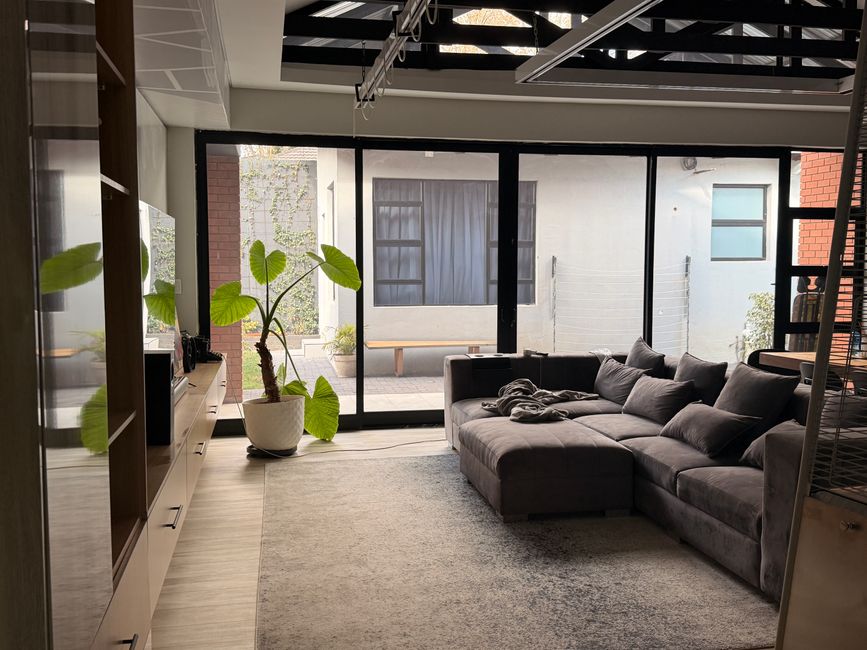
The coffee queue at Lonsdale Street Roasters in Braddon stretches out the door most Saturday mornings. That's not accident. The cafe sits at the gravitational centre of what's become Canberra's most actively explored precinct, a neighbourhood where residents now treat weekend exploration like a sport.
Property market slowdown means Canberrans who might have been house-hunting elsewhere are instead investing time in the places they already live. The shift sounds small. It's actually reshaping how people move through the city. Real estate agents report clients staying put longer. That stability is redirecting attention inward—toward the actual fabric of existing neighbourhoods rather than the promise of something newer elsewhere.
Take Braddon itself. The suburb sits immediately north of the city centre, a 15-minute walk from the National Library. Twenty years ago it was semi-industrial. Today it's the template for how inner Canberra neighbourhoods evolve. Lonsdale Street hosts The Cupping Room and Two Before Ten alongside galleries and a weekly farmers market on Saturdays that draws 200-plus residents buying direct from producers. The Braddon Community Association meets monthly and publishes a newsletter tracking everything from street tree plantings to upcoming school holiday programs. That institutional attention matters. It makes exploration feel structured rather than random.
The practical starting point for any resident wanting to actually know their neighbourhood: walk the main commercial strip first. In Braddon that's Lonsdale. In Dickson, it's Woolley Street. In Kingston, head straight to Captain Cook Crescent. These streets function as the public living rooms of their neighbourhoods. Spend two hours there—grab breakfast, visit the local library branch if it's open, ask a shopkeeper about what's coming. You'll meet the rhythm of the place.
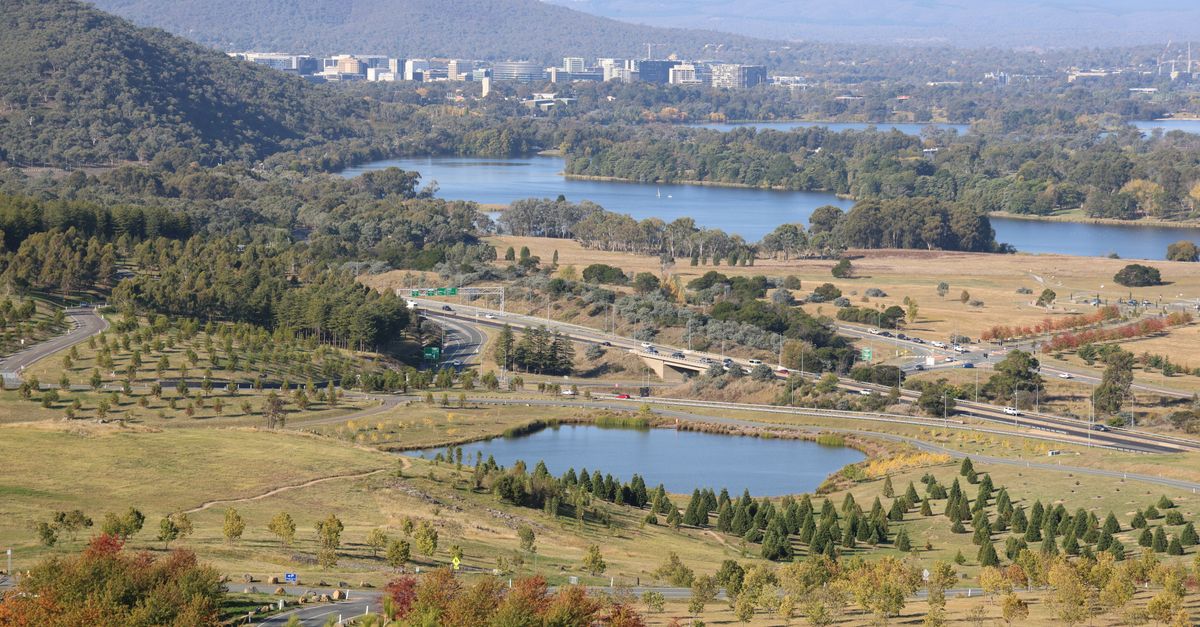
From there, work outward in concentric circles. Identify the parks. Canberra has 4,000 hectares of urban green space according to the ACT Government. Find the one nearest you. Glebe Park in Braddon is 8 hectares and sits beside the ACT Legislative Assembly. Lake Ginninderra in Gungahlin offers walking trails and playground facilities. These aren't just recreational—they're where neighbourhoods actually function as communities. Kids recognise each other. Dog walkers develop routes. The park becomes the secondary social infrastructure after the main street.
Schools and libraries anchor neighbourhoods beyond just serving families with children. Canberra has 80 public libraries and library service points across its suburbs. Braddon library hosts community events and local history talks monthly. These venues publish what's actually happening in their catchment areas. Attend something. This is where you encounter your neighbours in low-stakes social situations that can become friendships or at least familiarity.
The residents actually embedding themselves in their neighbourhoods tend to do one specific thing: they pick a regular spot and become a regular. The baker who opens at 6 a.m. Three times a week at the same cafe. The Saturday morning market visit that becomes ritual. Repetition works. After four weeks of the same cafe table or the same gym class, you're no longer anonymous. You're someone. People nod. Conversations start about the upcoming street festival or whether the local restaurants are overpriced.
Check what your local community association is doing. Braddon's association coordinates street parties, arranges bulk waste removal, and maintains an online forum where residents ask about everything from plumbers to play dates. Similar structures exist in suburbs right across Canberra—Gungahlin, Woden, Belconnen. They're free to join and often invisible until you look for them. They're also where actual neighbourhood governance happens.
The practical advice, then, is simple: stop treating your neighbourhood as somewhere you sleep. Give yourself permission to be a tourist in your own suburb for the next month. Walk streets you've driven past. Visit shops you've never entered. Return to the same place twice. Canberra's market downturn has created an unplanned bonus—people staying put long enough to actually know where they live. That's not resignation. That's an opening.

About this article
Published by The Daily Canberra
Spread the word
Daily brief
Free, in your inbox before 7am. Weekdays.
The Daily Network — local news across Australia