Canberra residents planning a weekend escape are facing a familiar squeeze. Fuel costs have remained stubbornly high, park entry fees have climbed, and the simple question—"Is this trip actually affordable?"—requires more homework than it did two years ago.
The pressure is real. With mortgage stress affecting younger households across the ACT, the discretionary budget for weekend activities has tightened. A family of four considering a day trip to the Blue Mountains or the South Coast now factors in not just the drive, but parking, entry fees, meals, and activities. The maths no longer adds up casually.
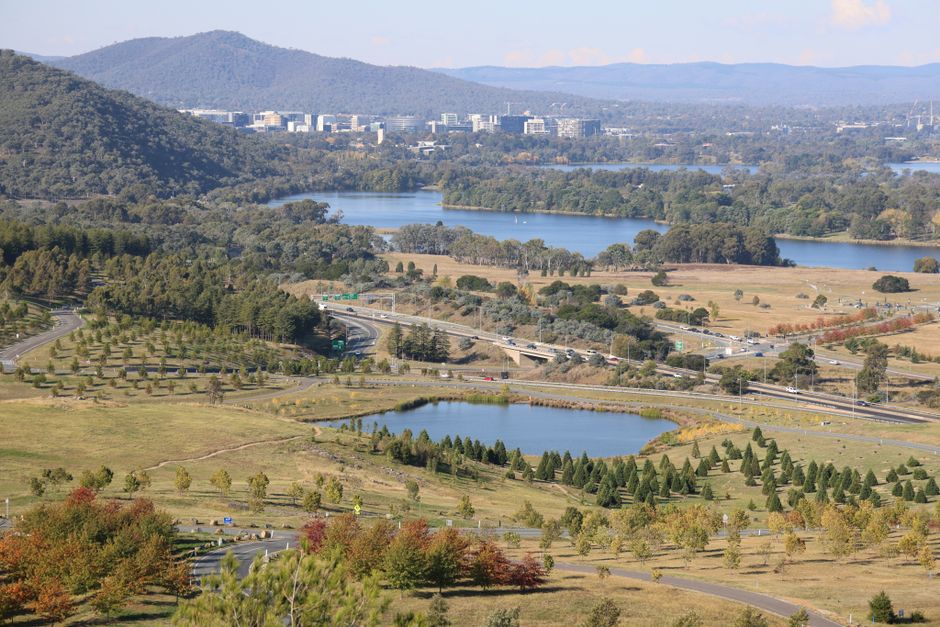
Start with the local options. Canberra's own attractions offer relief from the calculation burden. Entry to the National Museum of Australia on Acton Peninsula is free, though parking near the lakeside precinct will cost you $3 per hour or $15 for an all-day pass. The Australian War Memorial, also free to enter, sits on the other side of Lake Burley Griffin and offers comparable parking rates. Both venues pull serious weekend crowds from families avoiding the drive south.
The Canberra Botanic Gardens on Black Mountain charge nothing for entry either. Parking is $8 per vehicle, or $50 for an annual pass if you're a regular. A picnic lunch from Canberra's growing roster of suburban delis costs less than a café meal in Civic, and the walk trails are legitimately spectacular in winter when the garden foliage shifts colour.
The drive-distance gamble
Heading beyond the city limits changes the economics dramatically. Kosciuszko National Park entrance fees cost $12 per vehicle for a day pass. Drive time from Canberra to the Thredbo ski village or Charlotte Pass runs 90 minutes to two hours depending on your starting point—figure $25 in fuel each way for a mid-sized car at current petrol prices hovering near $1.65 per litre. Add ski hire ($60–$100 per day), lunch ($25–$40 per person), and accommodation if you're staying over, and a casual winter weekend evaporates into a $400-plus commitment for a family of four.
The South Coast towns of Batemans Bay and Mogo tell a different story. Entry is free, parking varies, and the 2.5-hour drive from central Canberra costs roughly $30 return in fuel. The Mogo Zoo charges $20 per adult and $12 per child for entry. A feed at the foreshore costs what you'd pay anywhere else in Australia. The advantage here is flexibility—you can roll in, walk beaches, grab fish and chips, and roll home without financial commitment creeping upward.
A 2024 analysis by the NRMA found Australian families spend an average of $185 per weekend day trip once transport, parking, and activities are factored in. Canberra's figures track closely to that. Weekend trips to nearby national parks or coastal towns typically run $150–$250 for a household, depending on group size and activity choices.
The access question
Not all Canberra residents have equal ability to make these trips. Public transport to regional destinations is limited. ACTION buses connect to some outlying areas, but getting to Kosciuszko or the South Coast requires a car or expensive coach tours. That exclusion matters. Households without vehicles—roughly 8 percent of ACT residents according to 2021 census data—are locked out of weekend escape culture unless they book expensive tours or rely on friends with cars.
Before you commit to a trip, check venue websites for current fees and parking costs. Download offline maps. Pack a lunch. Ask yourself whether the two-hour drive for a half-day experience pencils out. Some of Canberra's best weekend time happens quietly—walking around Lake Burley Griffin, exploring the galleries on Parkes Place, grabbing coffee in Woden. Those cost almost nothing and work for every household, regardless of income or transport access.