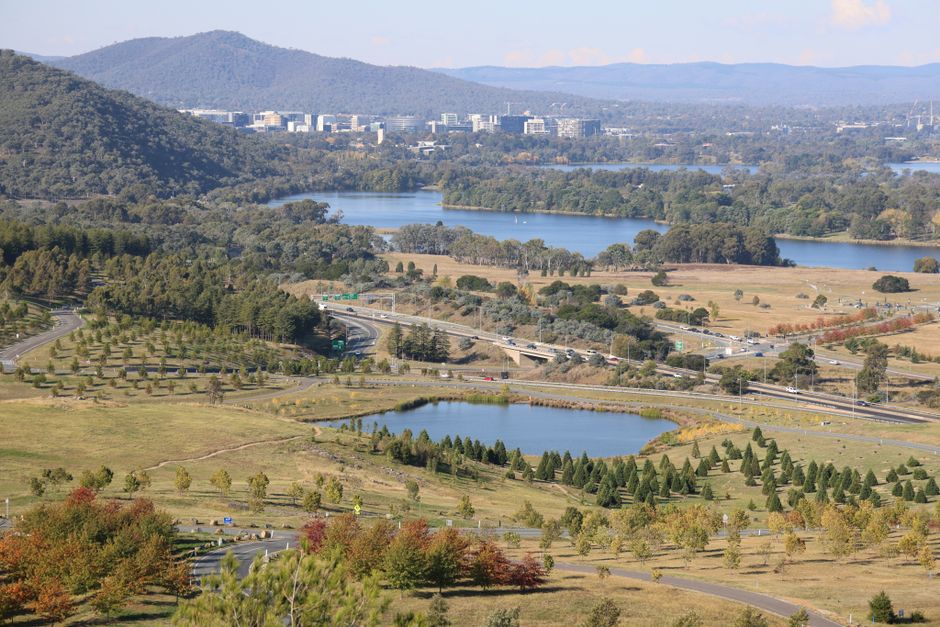
Canberra's expat community is growing at a pace the city hasn't seen in a decade. Families from Singapore, London, and Toronto are landing in the capital not because they requested it, but because their employers sent them here—and many are staying long after their posting ends.
The shift matters now because Canberra's reputation as a transient government town is collapsing. Real estate agents say international professionals are no longer cycling through on two-year contracts. They're buying. They're enrolling their kids in local schools. They're joining the local tennis club. The Australian Property Council reported in May that Canberra recorded the fastest growth in foreign resident visas of any Australian city outside Sydney and Melbourne, with 847 new arrivals from overseas in the first quarter of 2026 alone.
Forrest and Barton: Where Expats First Touch Down
Walk down Forrest Avenue in Forrest on a Saturday morning and you'll see why newcomers cluster here first. The neighbourhood sits five minutes from Parliament House, which means diplomats and public servants can roll into the office without battling gridlock. The cafes along the avenue—Silo Bakery, Black Star Pastry—have become weekend fixtures for families testing the local market. A three-bedroom renovated cottage in Forrest sells for around $1.85 million, though unfurnished rental properties command $2,400 to $2,800 per week.
Just south, Barton functions as Forrest's commercial cousin. The Australian Institute of International Affairs operates its Canberra office here, and the tree-lined streets near Giles Street pool host the kind of civic institutions that give expats something to point to when they call home. International families tend to rent in Barton ($2,200 to $2,600 weekly for a three-bedroom house) because it offers access to Kingston's restaurant strip without the price premium.
But the real neighbourhood discovery happens when expats venture south of the lake.
Kingston, Manuka, and the Arts-First Inner South
Kingston has transformed in the past three years from a commuter suburb into a genuine neighbourhood with texture. The Kingston Arts Precinct—anchored by the Canberra Glassworks and galleries along Giles Street—attracts creative professionals who expected to live in Melbourne. The district's cafes (Parlour, Pixie), craft beer spots (Molly), and vintage furniture shops tell the story of a place remade by younger residents unwilling to accept suburban blandness. A three-bedroom terraced house here rents for $2,100 to $2,500 weekly, roughly $300 cheaper than equivalent Barton stock.
Manuka, east of Kingston, functions differently. It's the old money neighbourhood—tree-canopy streets, heritage federation homes, the original shopping district of Canberra. Expats with children often choose Manuka for the schools (particularly Canberra Grammar and the International Schools Association's early learning program) and the sense of permanence the suburb projects. Property here starts at $2 million for a modest three-bedroom.
A different class of expat is now landing in Gungahlin, the northeast growth corridor. Tech workers and younger couples are renting around Mitchell and Franklin for $1,800 to $2,200 weekly while the Canberra Innovation Network operates its headquarters nearby on the Australian Technology Precinct. The neighbourhood lacks Kingston's bohemian credentials and Manuka's heritage charm, but it offers what first-time renters want most: affordability and proximity to colleagues.
The practical reality for arriving expats: spend your first month in corporate housing, then do what the newcomers who stay actually do. Drive through three or four neighbourhoods on a Saturday. Sit in the cafes. Check where colleagues' kids go to school. Visit the parks. The neighbourhood choice usually reveals what the person values more—proximity to power, access to culture, or the promise of building something new. Canberra has stopped being a place you get stationed. It's becoming a place you pick.