lifestyle
Why Canberra's parks put world cities to shame
Designed by Walter Burley Griffin a century ago, Canberra's green spaces now offer something few other capitals have: genuine breathing room without the sprawl.
4 min read
Updated 8 h ago
lifestyle
Designed by Walter Burley Griffin a century ago, Canberra's green spaces now offer something few other capitals have: genuine breathing room without the sprawl.
4 min read
Updated 8 h ago
Canberra has 7,200 hectares of parks and green space. That's roughly 2,100 acres of deliberately planted woodland, lake foreshore, and recreational ground woven into the city's fabric. For comparison, London—a city of 9 million people—has about 3,000 hectares of parks across its entire metropolitan area. Canberra, with a population of roughly 460,000, has more than doubled that ratio. The difference is stark: this city works backward from most capitals, where parks are squeezed between buildings. Here, buildings are squeezed between parks.
The advantage becomes obvious the moment you leave the office. On a cold Canberra winter afternoon, you're not walking ten minutes through concrete before finding a place to breathe. The National Capital Authority, the government body responsible for maintaining the city plan laid down by Walter Burley Griffin in 1912, has spent the past decade actively expanding and connecting these spaces rather than defending them from development. That's unusual. Most cities are fighting the opposite battle.
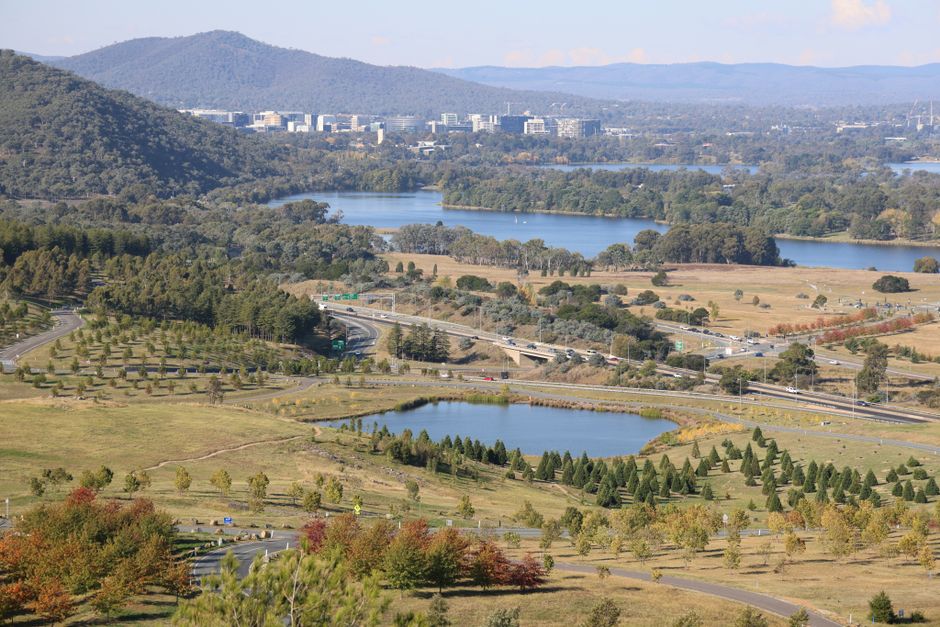
Lake Burley Griffin sits at the city's heart—200 hectares of water surrounded by walking paths, bird sanctuaries, and public gardens. The lake didn't exist when Griffin designed the city; it was created in 1964 by damming the Molonglo River. But the concept of water as public amenity was always central to his vision. Today, you'll find joggers, families, and office workers from Parkes and Barton using the foreshore trails during lunch breaks. The Black Mountain lookout trail, starting from behind the National Zoo and Aquarium on Lady Denman Drive, offers another model: steep bushland walk with views across the entire city, maintained partly through the ACT Parks and Conservation Service and partly through volunteer trail groups.
Canberra's newer suburbs have been designed with the same principle. In Weston Creek, south of the CBD, the Molonglo Valley development—which began opening to residents in 2020—dedicates roughly 40 percent of its 1,050 hectares to open space and community facilities. By contrast, typical Australian suburban developments allocate 15 to 25 percent. The difference means the valley actually has continuous park corridors connecting neighborhoods rather than isolated green pockets surrounded by housing.
The economic side matters too. Research by the Australian National University's School of Cybernetics released in 2024 found that properties within 500 meters of a major Canberra park command a 12 to 15 percent price premium over otherwise comparable homes. That's higher than similar studies from Melbourne or Brisbane, where parks exist but feel less integral to the urban experience. Investors have noticed. The ACT Property Council reported last month that blocks near Dickson Park and the Haig Park precinct in Yarralumla moved faster than average in the past quarter.
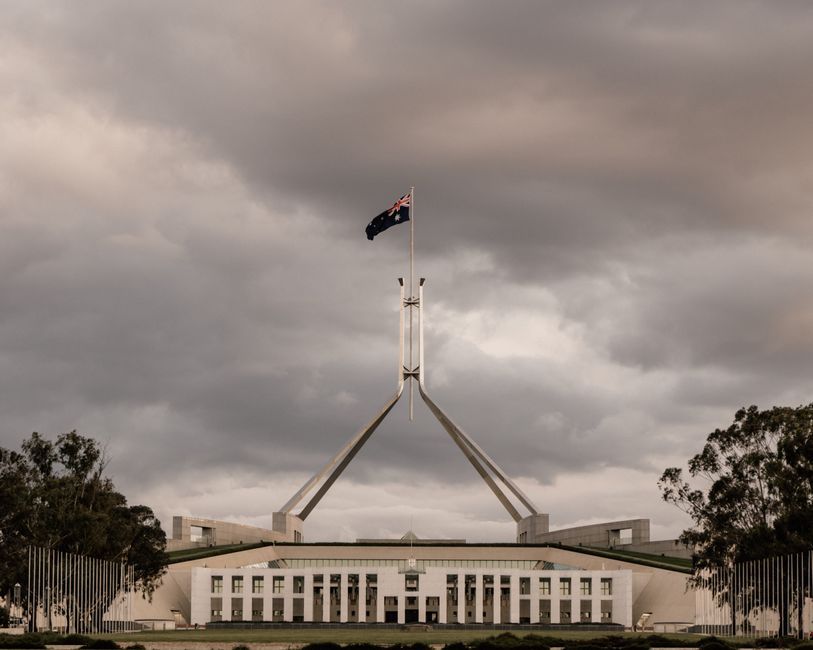
The critical difference separating Canberra from other capitals isn't just how much green space exists. It's governance. The National Capital Authority has authority to enforce the original plan, something unusual in Australian city management. Local councils in London, Melbourne, or Sydney can approve developments that shrink or compromise parks. The Authority can say no. They've used that power. In 2022, they blocked a mixed-use development on Anzac Parade that would have reduced sightlines to the War Memorial and cut into Commonwealth Park. A Sydney council would have approved it by now, probably with community objections and a few concessions.
Maintenance budgets tell the rest of the story. The ACT government allocates approximately $45 million annually to parks and green space maintenance. For a city of 460,000, that's roughly $98 per person. Melbourne spends $67 per capita. Brisbane allocates $52. Canberra's level reflects a deliberate political choice: the parks aren't decoration. They're infrastructure.
If you're considering moving here or thinking about where to live within Canberra, the lesson is straightforward. Pay the premium for proximity to green space. The price difference reflects something genuine—not just aesthetics, but a fundamentally different way of building a city. On winter mornings when you can walk from your front door into native bushland, or summer evenings when the whole family can reach a lake within fifteen minutes, you'll understand why Griffin's century-old blueprint still outpaces most cities built after him.

About this article
Published by The Daily Canberra
Spread the word
Daily brief
Free, in your inbox before 7am. Weekdays.
The Daily Network — local news across Australia