Canberra's parents occupy a peculiar middle ground. Their children attend some of Australia's most generously funded public schools. The suburbs where they live were designed on purpose, not accident. And yet many still feel like they're swimming against a national current that treats their city as a place you leave, not a place where you build a life.
That tension is shifting. With property prices across Sydney's inner west now exceeding $1.2 million for a three-bedroom house, and Melbourne's median crossing $850,000 this year, families are looking south to Canberra with fresh eyes. What they're discovering is a city where 40-year-old planning decisions have created something neither Melbourne nor Sydney can easily replicate: a place structured around childhood, with room to actually move.
Walk through suburbs like Weston, Duffy, or Charnwood and you'll understand why the original planners, beginning with Walter Burley Griffin in 1911, prioritised schools within walking distance of homes. Most Canberra primary schools sit in the heart of their neighbourhoods rather than on distant industrial estates. The Australian Capital Territory Education Directorate operates 87 public schools across a population base of roughly 460,000—a ratio that means less overcrowding and shorter waiting lists for school places than anywhere on the eastern seaboard.
The infrastructure advantage no one talks about
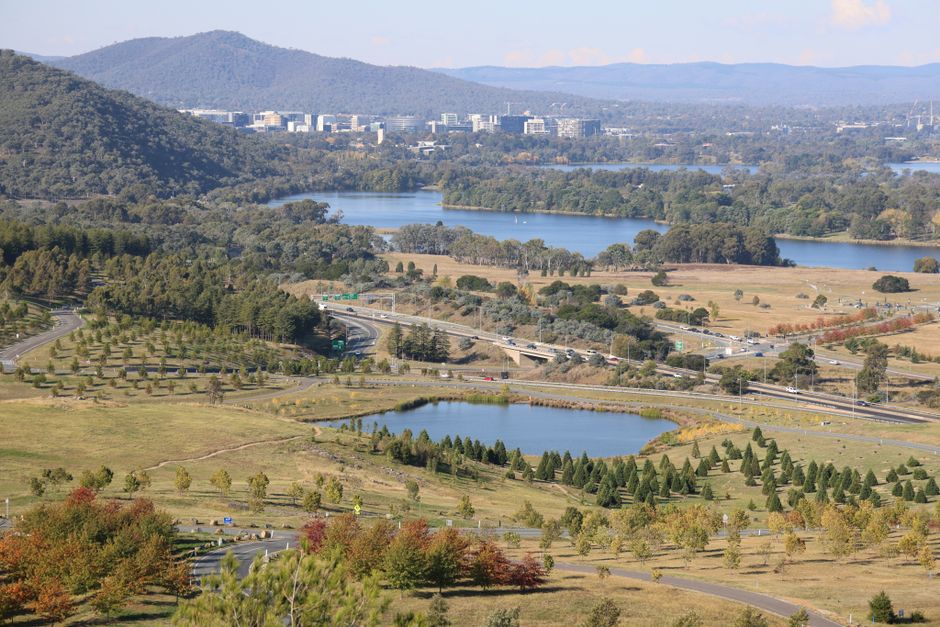
Parents here rarely contend with the infrastructure squeeze that defines parenting in larger cities. Canberra has 23 public pools, 34 skateparks, and approximately 2,100 kilometres of cycleways. Lake Burley Griffin, the centrepiece of the city, offers free family activities year-round: playgrounds, splash parks, and managed swimming areas.
Compare that to Sydney, where a 45-minute commute to a decent public pool is routine for western suburbs families, or Melbourne, where winter sport competitions often require driving two hours inland. In Canberra, most families can reach multiple sports facilities and natural play spaces within 10 minutes by car or bike.
The school funding advantage tells its own story. In 2024, the ACT government allocated $4,847 per student to public schools—among the highest per-capita spending in the nation. New South Wales allocated $3,920. The difference compounds across a child's education. Canberra schools have better-resourced specialist programs in music, drama, and visual arts. Technology labs in primary schools are standard, not aspirational.
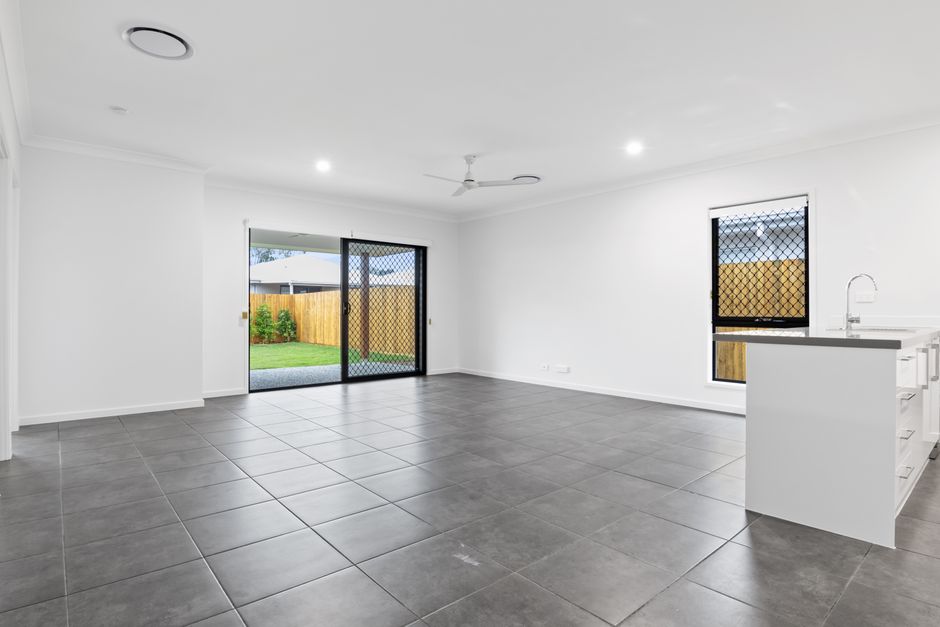
Property prices reflect these advantages, though they remain substantially lower than equivalent homes elsewhere. A four-bedroom house in established suburbs like Deakin or Forrest costs between $950,000 and $1.3 million—positioning it at roughly one-third less than comparable Sydney properties and 15-20 percent below Melbourne equivalents. For families with household incomes between $150,000 and $250,000, that difference translates to owning a home rather than renting indefinitely.
Building roots in a purpose-built city
What separates Canberra parenting from the transient model that dominates Sydney and Melbourne is something harder to quantify: intention. The city was designed assuming families would stay. Schools feed into high schools within walking distance. Suburbs connect via greenways to other suburbs. Community identity forms because infrastructure supports it, not in spite of it.
For parents relocating from Brisbane, Adelaide, or regional New South Wales, Canberra offers something the major coastal cities have priced out of reach: stability. Your children can attend public school without educational compromise. You can afford to live somewhere with a backyard. Your workplace is unlikely to demand the 90-minute commute that has become normal in Sydney's outer west.
The ACT government is banking on that calculation. The Population Growth Strategy targets 600,000 residents by 2040, with particular focus on attracting young families. New suburbs like Molonglo and Harrison are under development with the same planning principles that made earlier suburbs liveable: schools integrated into neighbourhoods, parks within walking distance, mixed-use centres rather than sprawling strip malls.
None of this means Canberra has solved parenting. Cold winters, limited cultural diversity compared to coastal cities, and a smaller job market in certain professions remain real constraints. But for families drowning in Sydney or Melbourne property debt while their children attend overcrowded schools, Canberra's particular brand of planned stability is starting to look less like a backup option and more like the only sensible choice.