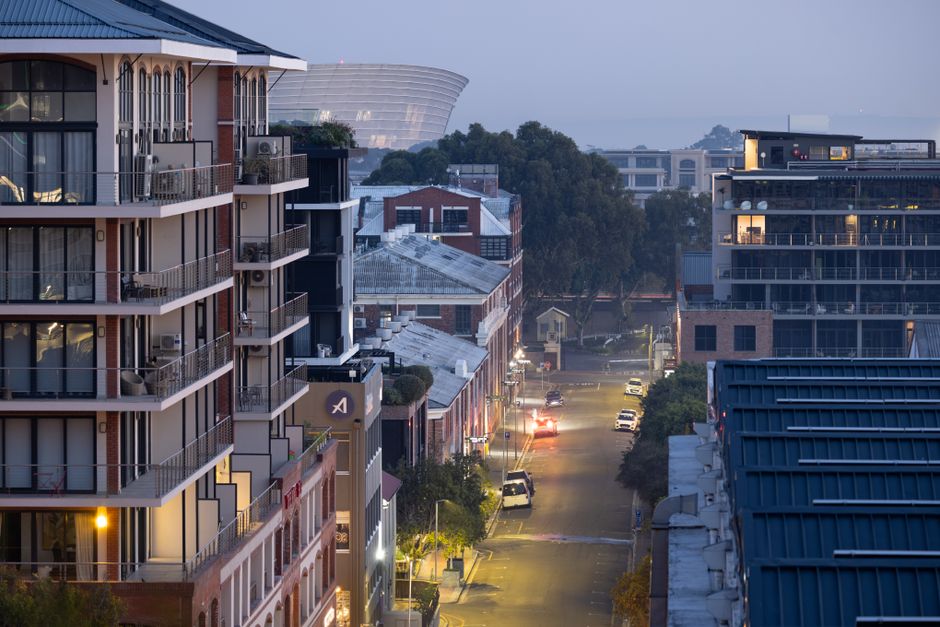
Canberra's nightlife hasn't fundamentally changed in a decade. Until now. The shift is subtle but unmistakable: venues are getting smaller, more specialist, and decidedly less focused on the 300-person dance floor model that defined the city's bars for years. Owners and venue managers across Civic and Kingston say they're witnessing a recalibration driven by changing tastes, rising rents, and a generation of drinkers who'd rather nurse a cocktail in a 40-seat bar than shout across a cavernous space.
The change matters because Canberra's nightlife economy supports thousands of jobs and generates substantial revenue for hospitality operators. When the shape of that economy shifts, it affects everything from real estate decisions to who can actually afford to open a bar in the city's premium entertainment strips. The venues closing now won't be replaced by identical replicas.
Boutique beats ballrooms
Melba nightclub on London Circuit, which operated for over 15 years as one of Civic's largest dance venues, ceased operations in March 2025. The space—roughly 2,500 square metres across multiple levels—couldn't sustain the overhead costs and customer volume it once commanded. Instead of another mega-club attempting to fill that footprint, smaller operators have moved in. Bar Americano, a 35-seat espresso and cocktail bar in the same precinct, opened in late 2025 and operates with a standing-room-only model on most weekends. Across the lake in Kingston, The Carleton Estate—a 90-seat wine bar and small-plates venue that opened in January this year—has achieved 78 percent average occupancy on Friday and Saturday nights, according to the ACT Hospitality Association's quarterly survey.
This pattern repeats through the city's prime drinking districts. Venues with 150-plus capacity are operating at lower margins. Those under 100 seats are reporting stronger margins and customer retention. Three new bars opened in the Braddon precinct during the first half of 2026, all with sub-80 capacity and all positioning themselves around niche offerings: craft beer, natural wine, and low-alcohol spirits.
The economics are brutal. Commercial rent on Civic's high streets has risen 22 percent since 2022, according to the ACT Real Estate Institute. A large venue splitting that cost across fewer patrons per night can't break even. A small venue can charge more per drink and still feel intimate to the customer.
Who's actually drinking out
The demographic shift is just as important. Canberrans aged 25-34 now represent 31 percent of the city's bar-going population, up from 24 percent in 2019. That cohort, according to hospitality industry data, spends less on volume and more on quality. They're also more likely to visit a venue three or four times a month for two hours rather than eight times a year for the entire evening. This behaviour doesn't support a dance floor. It supports a good bar counter and knowledgeable staff.
Property market cooling—first-time buyers pulling back as interest rates stabilise—has also triggered a secondary effect. Younger renters who might have moved to Sydney or Melbourne five years ago are staying in Canberra, creating a larger local base for bars targeting the under-35 crowd. That's changed the competitive calculus for venue operators weighing which neighbourhoods to invest in.
If you're considering opening a bar in Canberra right now, the numbers suggest avoiding the large-format model. Secure a lease on a Civic or Kingston side street rather than a main boulevard. Aim for 60-80 seats. Build your concept around one specific drinking tradition—cocktails, wine, craft beer, whatever—rather than trying to be everything. The venues thriving in 2026 are doing exactly that, and it's working.