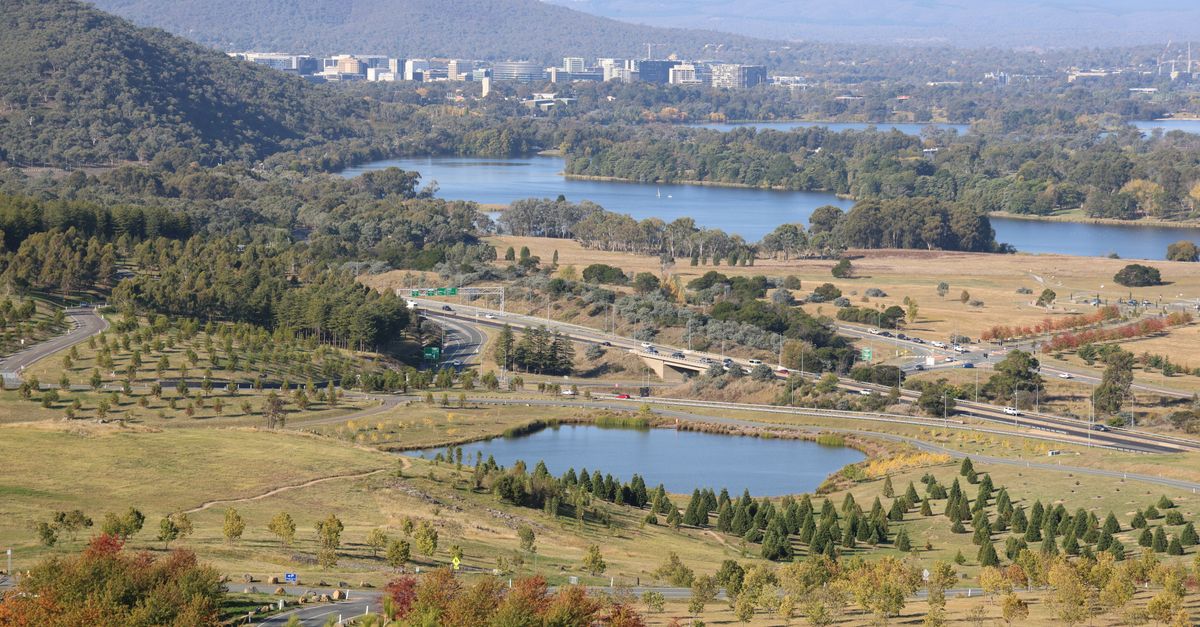
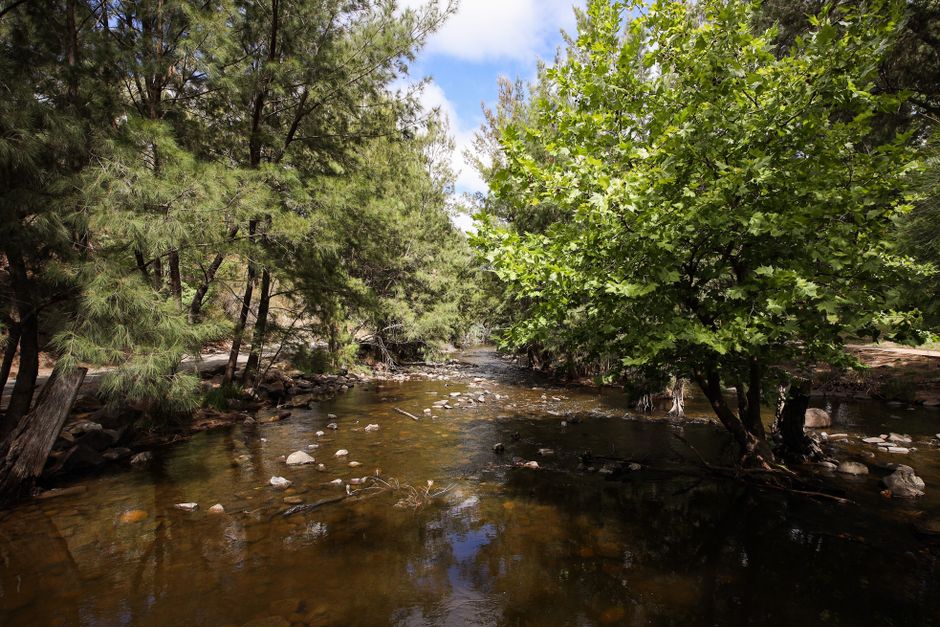
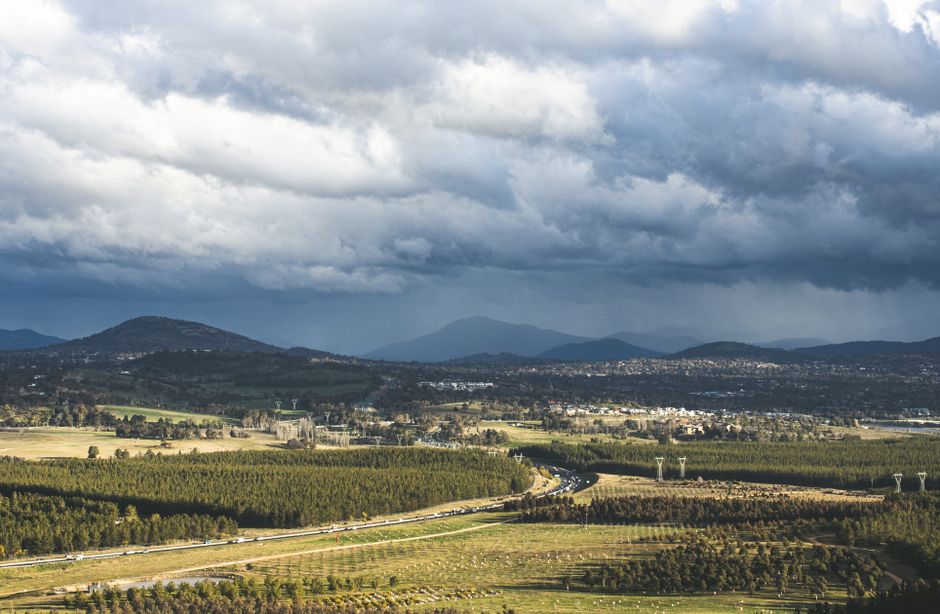
Tuggeranong Foreshore has spent three decades as Canberra's forgotten waterfront. On any given Saturday in 2023, you'd find mostly empty carparks and a handful of pensioners fishing from the jetty. Today, the 8-kilometre strip along the Murrumbidgee River is packed by mid-morning with families, cyclists and tourists hunting for weekend plans that don't involve the National Museum or Lake Burley Griffin.
The shift happened fast. The ACT government's $35 million Tuggeranong Waterfront Activation Program, launched in 2024, has fundamentally redrawn what locals consider worth leaving home for on a Saturday afternoon. Three new restaurants opened along Foreshore Boulevard in the past 18 months. A pop-up market operates every third Sunday. The walking and cycling path network expanded to 12 kilometres. These aren't enormous changes by capital-city standards, but for a neighbourhood that attracted fewer than 50,000 weekend visits annually five years ago, the momentum feels tangible.
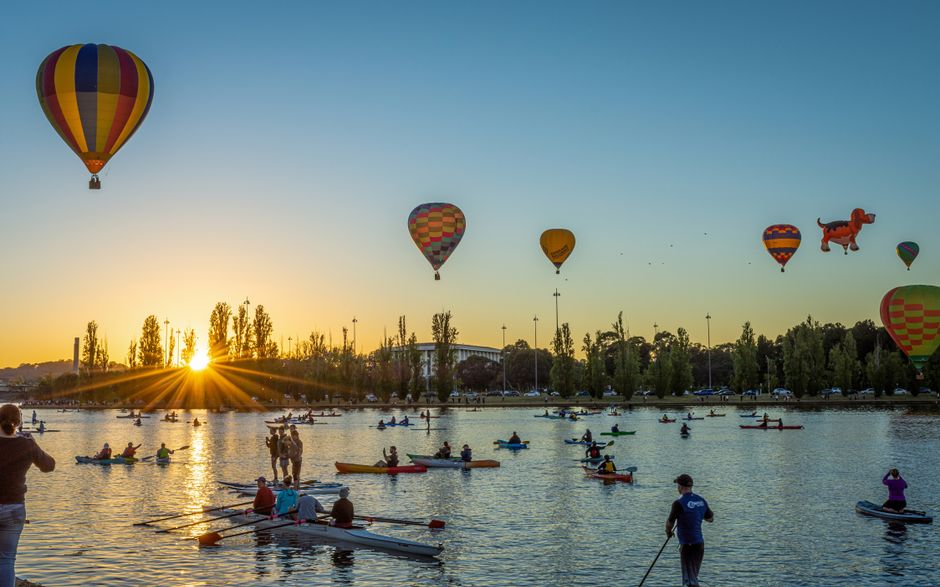
The Tuggeranong Community Markets, run by the not-for-profit Tuggeranong Valley Community Association, now draws crowds of 2,000 to 3,000 people on operating days. Stalls sell everything from sourdough to homemade pasta. Meanwhile, the Canberra Rowing Club has added family-friendly kayak sessions on Friday evenings, bringing in participants who'd never set foot in the neighbourhood before. What used to be a place people drove through to get somewhere else has acquired the feel of a destination.
From neglected asset to neighbourhood drawcard
The turnaround reflects a broader pattern across Canberra's outer suburbs. As inner suburbs like Braddon and Kingston have gentrified and become expensive, families and young professionals have looked south. Tuggeranong's median house price sits around $825,000—still roughly 30 per cent cheaper than Canberra's inner north. That affordability, combined with new amenities, has created what property agents call "the Tuggeranong effect."
But the waterfront itself remained underdeveloped. A 2022 ACT government survey found that only 12 per cent of Canberrans visited the foreshore more than once a month. Parking was erratic. Toilets were dated. The barbecue facilities looked like they hadn't been updated since the 1990s. Local councillor Jennifer Karacagiannis told the Tuggeranong Community Board last year that the precinct needed to feel like a place where people wanted to linger, not just pass through.
The activation program addressed this directly. New playground equipment went in at two sites. A renovated kiosk on the main path now sells coffee and light meals. The ACT Parks and Conservation Service upgraded signage pointing to walking trails into the nearby nature reserves. These details matter. Parents aren't bringing kids to a strip of grass with nothing to do. They're bringing them to a precinct with bathrooms, food, shade structures and things to explore.
What's drawing people back
On a typical July Saturday, the scene tells the story. Families rent paddle boats from the boathouse for $25 per hour. Cyclists stream past on the newly sealed path sections. Groups set up picnics near the heritage-listed pump station. A local photographer was running an Instagram workshop here last month, using the river's early-morning light as a teaching backdrop.
Tuggeranong Neighbourhood Watch coordinator Mark Finlay said the increased foot traffic and activity has also improved perceptions of safety in the area. "People bring their kids here now without thinking twice," he said in a recent interview with the Tuggeranong Echo community news service. "Five years ago, parents were hesitant about coming out here on a Saturday."
The next phase of development includes a new 200-seat outdoor dining pavilion scheduled to open in September, and the ACT government has allocated a further $8 million for a nature play area targeting children aged 3 to 8. The Canberra Yacht Club is also planning expanded weekend programming.
For weekend planners sick of the same old Lake Burley Griffin loops or crowded inner-city cafes, Tuggeranong Foreshore is no longer an afterthought. It's become the place Canberrans actually go to spend time outside.