news
Moscow Battles Record July Heat While Other Capitals Lead Adaptation
As record July temperatures strain public infrastructure and community services, Moscow's response reveals both the city's strengths and the gaps other global capitals have already closed.
How we reported this
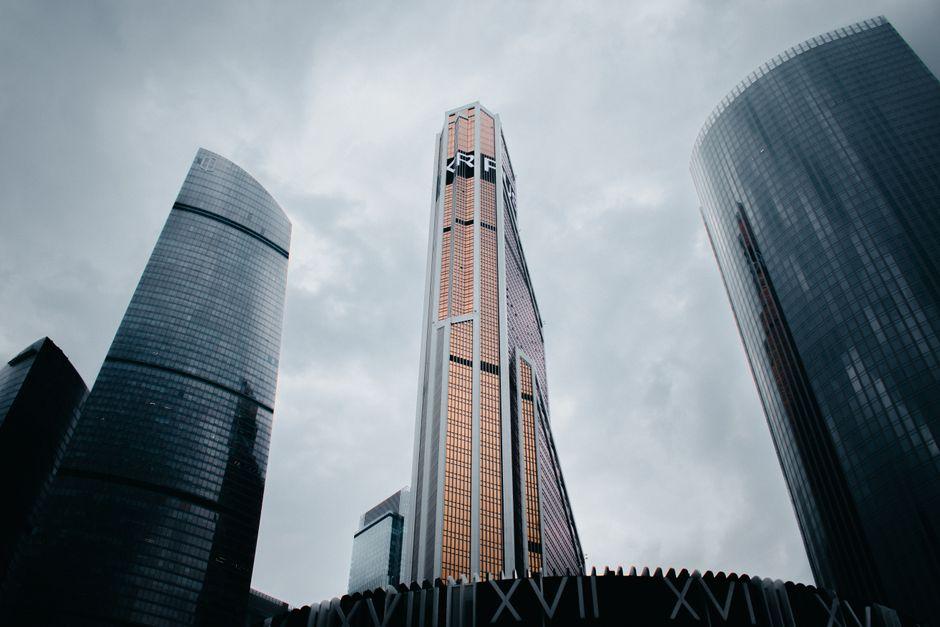
Moscow recorded its hottest July 4th in fourteen years on Friday, with temperatures hitting 36.2 degrees Celsius in the city centre by early afternoon, pushing municipal cooling infrastructure to its limit and forcing the cancellation of several outdoor events along the Moskva River embankment. The heatwave is not unique to Russia's capital: similar scenes unfolded across the Atlantic, where Fourth of July celebrations from Washington D.C. to Philadelphia were called off due to dangerous heat indices. But how cities actually manage the crisis once the thermometers spike tells a very different story.
This matters now because Moscow is mid-way through a 12 billion ruble urban renovation cycle that was supposed to address exactly these conditions. The Moscow Urban Renovation Programme, launched in 2017 and running through 2032, pledged shaded public spaces, reflective road surfaces, and expanded green corridors across 89 districts. With last summer's heat mortality data still being processed by Rospotrebnadzor, city officials are under pressure to show results before the programme hits its halfway budget review in September 2026.
Neighbourhood by Neighbourhood: Who Is Coping
The picture across Moscow's districts is uneven. In Hamovniki, the Novodevichy Park complex, recently expanded in April 2026 with 4.2 kilometres of tree-lined walkways and eight new drinking water stations, handled Friday's crowds without incident, according to park management notices posted at the entrance gates. Foot traffic there exceeded 18,000 visitors by 3 p.m. By contrast, residents of Kapotnya, the southeastern industrial district, filed 340 complaints to the city's Mos.ru portal in the first six hours of Friday alone, citing broken pavement sprinkler systems on Slavyansky Boulevard and overcrowded courtyard shelters at local housing blocks built in the 1970s.
The city's network of cooling centres, officially designated as konditsioniruyemye zaly, sits at 214 facilities across Moscow's 12 administrative districts. That sounds substantial until you compare it to Paris, which activated 860 designated cool rooms across the Île-de-France region during the 2023 heatwave under its city-wide Plan Canicule, or Tokyo's system of over 1,100 cooling shelters that operate automatically once district temperatures exceed 35 degrees. Moscow's threshold for activating full cooling protocols is set at 32 degrees, a number city health officials quietly raised from 30 degrees in May 2025, a change that has drawn criticism from the Moscow Public Health Advisory Council.
What the Numbers Reveal
Rospotrebnadzor data from summer 2025 showed a 22 percent increase in heat-related hospital admissions across Moscow between June 15 and August 10 compared to the five-year average. Emergency services logged 1,847 heat-related callouts during that same period, with the highest concentration in the Eastern Administrative Okrug. The city spent 780 million rubles on emergency cooling measures last summer, money that critics argue could have been more effectively pre-spent on shade infrastructure and building insulation in older residential stock.
The Moscow Metro deserves some credit. All 270 stations now have platform cooling systems operational, a 48-station expansion completed in February 2026, and ridership surged 31 percent above the Friday baseline as residents chose underground travel over baking street-level routes. The Ring Line and the new Big Circle Line both handled the load without service disruption.
For residents navigating the weekend, the city's Mos.ru portal is publishing real-time updates on which cooling centres have available capacity, with push notifications available via the official Moscow app. The Gorky Park administration has extended its shaded zone hours until midnight through July 12. Anyone in older Soviet-era housing stock, particularly the five-story Khrushchyovki blocks that still account for roughly 30 percent of Moscow's residential square footage, is advised to register vulnerable household members with their local district social services office, where 72-hour welfare checks are available at no charge through the end of July.