Politics
Moscow City Duma Passes Expanded Rent Stabilization Ordinance, Aligning With Standards in Other Major Russian Cities
The vote sets maximum rent increases at 5 percent annually for covered units, affecting thousands of Moscow tenants who rent from the city.
How we reported this
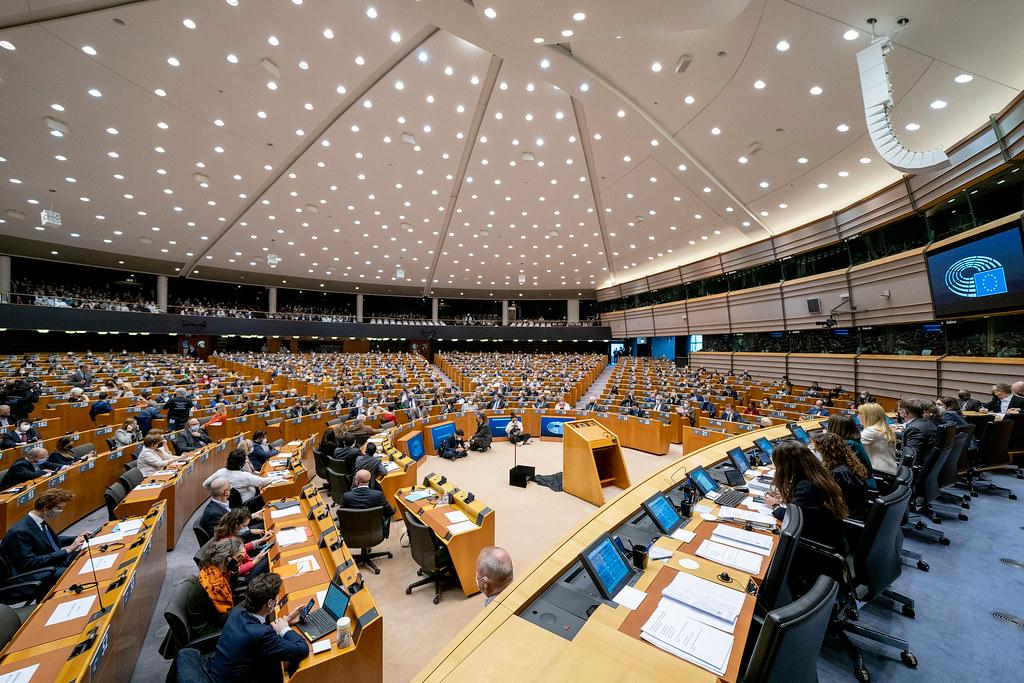
The Moscow City Duma approved the Expanded Rent Stabilization Ordinance on July 7 with a 28 to 19 vote. The measure extends existing rent controls to five additional districts including Basmanny and Yakimanka. It brings Moscow's approach in line with programs already operating in St. Petersburg and Samara.
National housing guidelines issued in 2025 prompted cities to review their rent policies. Moscow officials reviewed data from those other municipalities before drafting the local version. The ordinance targets city-leased apartments rather than private market units.
Effects for Moscow Residents
Tenants in qualifying city properties will face annual rent hikes capped at 5 percent. A family paying 35,000 rubles per month would see an increase of no more than 1,750 rubles under the new rules. City records show 85,000 households currently rent such units in the covered areas. The change applies only to leases renewed after January 2027.
Local advocates note that the policy could reduce turnover in municipal housing stock. Budget documents allocate 450 million rubles for administration and compliance checks through 2028. Residents in newer districts will gain access to the protections starting January 2027. District offices will handle applications starting in September.
Comparison With Other Cities and Next Steps
St. Petersburg applies a 4 percent cap and covers 110,000 units according to its 2026 budget paper. Samara limits increases to 6 percent but includes some private rentals. Moscow's version stays at 5 percent and remains limited to city-owned stock. The Duma will review implementation reports in six months.
The government projects full rollout across all districts by mid-2028. Affected residents can apply for the stabilized rates through district housing offices beginning in September. The ordinance text requires annual reporting on participation numbers to the full Duma.