policy
Moscow’s New Living Cost Relief Measures Aim to Ease Household Budgets
Moscow city government introduces targeted subsidies and utility regulation adjustments to reduce expenses for local residents amid rising costs.
3 min read
policy
Moscow city government introduces targeted subsidies and utility regulation adjustments to reduce expenses for local residents amid rising costs.
3 min read
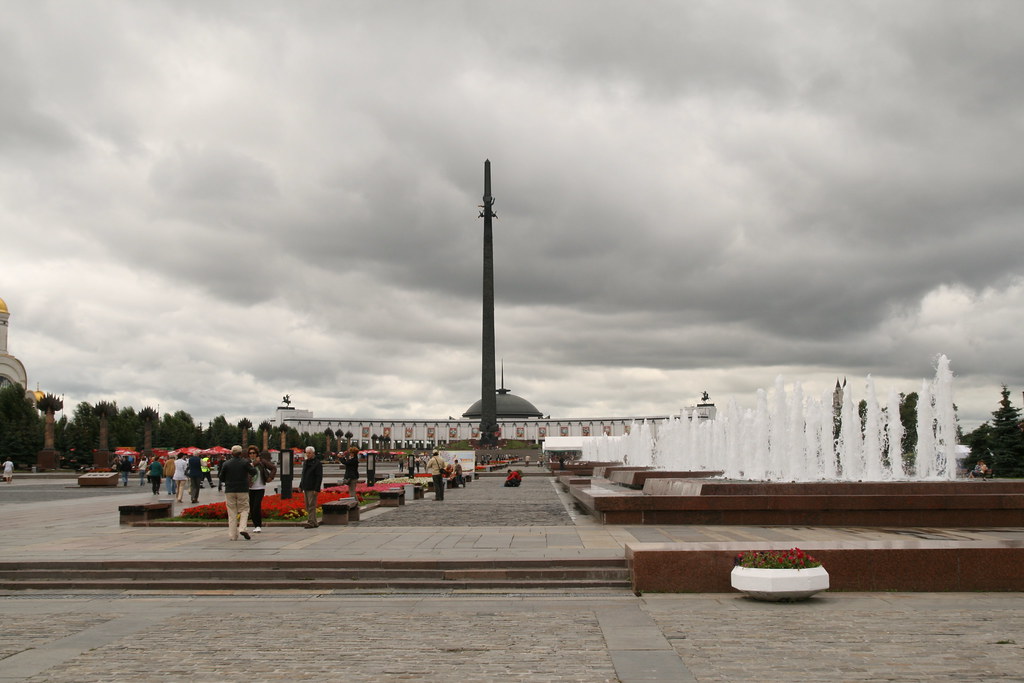
The mayor of Moscow and the city government have unveiled a series of policy adjustments targeting the city’s escalating cost-of-living pressures. These measures include expanding utility subsidies, capping public transport fare increases, and offering targeted financial support for low-income households. The policies primarily affect Moscow residents facing rising monthly expenses, especially families on fixed incomes and renters.
Soaring inflation and recent increases in utility and transportation costs have strained household budgets across Moscow. The local economy has faced pressures from broader national inflation trends and global supply disruptions, with many residents reporting difficulty managing essential costs. The city administration’s announcement follows months of public concern and aligns with efforts to stabilise living expenses as residents approach the winter months, when heating costs traditionally rise.
The newly expanded utility subsidies are expected to directly benefit approximately 1.2 million Moscow households, according to the city’s budget documents. These subsidies will cover up to 50% of the increase in heating and electricity bills compared to the previous year, providing financial relief during the peak heating season. Public transport fares will be frozen at current rates, halting the scheduled 5% increase initially planned for August 2026, helping daily commuters save on their travel expenses.
Additionally, the city has introduced a one-time financial grant of 5,000 rubles per household for renters identified as low-income by the Moscow Department of Social Protection. This grant aims to assist with rental payments and other household costs during the summer months, a time when many residents face added financial strain. Social services will manage the application and distribution process, which is projected to begin by mid-July.
The Moscow city government allocated 7 billion rubles in the 2026 fiscal budget for these cost-of-living relief measures, representing a 15% increase from allocations in the previous year. The city’s finance department states these funds are part of a broader effort to mitigate inflationary impacts estimated to have grown household expenses by 8.3% in the first half of 2026. Utility payments constitute about 30% of average household spending in Moscow, underscoring the significance of subsidy enhancements.
According to a recent report by the Moscow Economic Research Institute, without intervention, the cost-of-living increases could have pushed nearly 20% of the city’s population below the subsistence threshold by year-end. The government’s measures are therefore expected to stabilise this trend by cushioning families against the sharpest price increases in utilities and transport.
Looking ahead, city officials have signalled ongoing monitoring of inflation and household financial health through quarterly reports. Further adjustments to subsidies or pricing controls could be introduced in the autumn session of the Moscow City Duma if inflationary pressures persist. Residents are encouraged to apply promptly for subsidies and grants through official channels to secure support.
These policies represent a focused local response aiming to provide immediate budget relief for Moscow households amidst an inflationary environment that challenges many families’ day-to-day finances.
About this article
Published by The Daily Moscow
Spread the word
Daily brief
Free, in your inbox before 7am. Weekdays.
The Daily Network — local news across Australia


