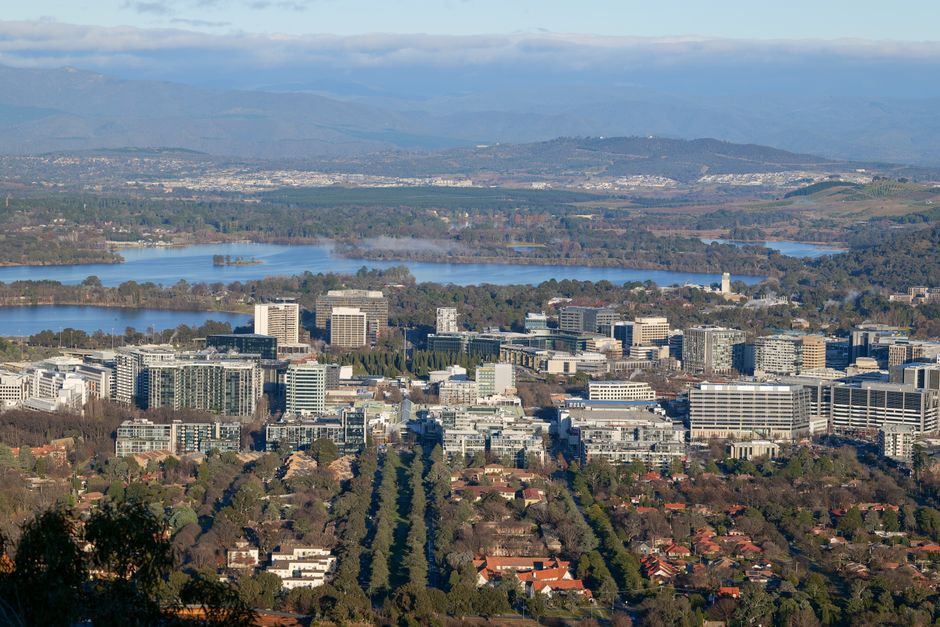
Braddon is selling itself short. Despite sitting less than two kilometres from the Parliamentary Triangle and hosting some of Canberra's most in-demand café strips and apartment precincts, the inner-north suburb is still producing entry points well below what comparable proximity to a CBD commands in Sydney or Melbourne. Apartments in the suburb's established mid-rise blocks are currently trading between $550,000 and $680,000 for two-bedroom configurations — figures that land meaningfully beneath the ACT's overall median house price of $835,000.
That gap matters right now. Across the border in Queensland, stamp duty bills have jumped by as much as $180,000 in prestige suburbs over the past two years, and Geelong buyers are confronting transfer costs that have ballooned over two decades. ACT buyers, by comparison, benefit from the Territory's progressive stamp duty regime, and eligible owner-occupiers purchasing under $1 million can still access the ACT Home Buyer Concession Scheme, which waives duty entirely for qualifying applicants. For a $620,000 Braddon apartment, that concession can represent a saving of roughly $22,000 at settlement.
Why Braddon Holds Its Ground
The suburb's fundamentals are hard to argue with. Lonsdale Street remains one of the ACT's most walkable retail and dining corridors, anchored by a cluster of independents that have survived post-pandemic attrition better than many comparable strips in other capitals. The Braddon precinct sits within the inner north district covered by the ACT Government's City and Gateway Urban Renewal Strategy, which designates the area for ongoing densification and infrastructure investment through to 2031. Light rail on Northbourne Avenue — operational since 2019 and carrying around 3.5 million trips annually — puts Braddon effectively one stop from the City interchange, a transit advantage that still isn't fully priced into older apartment stock.
Public servant buyers, who account for a disproportionate share of ACT purchasing activity, are increasingly eyeing Braddon as an alternative to Gungahlin or the outer Belconnen corridor. The appeal is straightforward: proximity to the Australian Public Service Commission offices on Constitution Avenue, the Department of Finance on King Edward Terrace, and the bulk of Australian Public Service departments clustered around Barton and Parkes means a Braddon address often cuts commuting to a ten-minute cycle or a single light rail stop. In a labour market where hybrid-work norms are hardening back toward three-to-four days in the office, that calculus is shifting buyer priorities back toward the inner ring.
Where the Value Actually Lives
The specific opportunity sits in Braddon's older walk-up apartment blocks, predominantly built between 1965 and 1985 along Girrahween Street, Elouera Street, and the quieter residential lanes running parallel to Mort Street. These buildings lack the amenity premiums — concierge, rooftop pools, gym floors — of the newer Marcus Clarke Street or Bunda Street developments, which means they transact at a discount. The trade-off is lower body corporate levies, typically running between $2,800 and $4,500 annually compared with $6,000-plus in contemporary towers, which materially improves net rental yield. Gross yields on the older stock are currently sitting around 5.1 to 5.4 per cent, according to CoreLogic's June 2026 ACT suburb report — a compression from the peak seen in 2022, but still competitive against inner-ring comparables in other capitals.
Auction clearance rates across the ACT are hovering around 65 per cent — not the feverish 80 per cent territory of 2021, but enough to confirm genuine demand without the desperation buying that distorts pricing. In Braddon specifically, days-on-market for apartments in the $550,000-to-$700,000 band has averaged 28 days over the June quarter, suggesting vendors are meeting buyers rather than waiting them out.
For buyers considering a move, the practical advice is specific: target the pre-1980 walk-up stock on Girrahween and Elouera Streets, obtain a full strata report through Access Canberra before exchange, and check eligibility for the ACT Home Buyer Concession Scheme at the Revenue Office on London Circuit. Properties here tend to shift quickly once priced correctly — the 28-day average hides clusters that clear in under a fortnight. Braddon's best value will not stay quiet indefinitely.