Property
Moscow Rent Affordability: 30% Rule Guide
Moscow renters spend 35% of income on rent. Learn how the 30% affordability rule applies to Moscow neighborhoods and what it means for your budget.
2 min read
Property
Moscow renters spend 35% of income on rent. Learn how the 30% affordability rule applies to Moscow neighborhoods and what it means for your budget.
2 min read
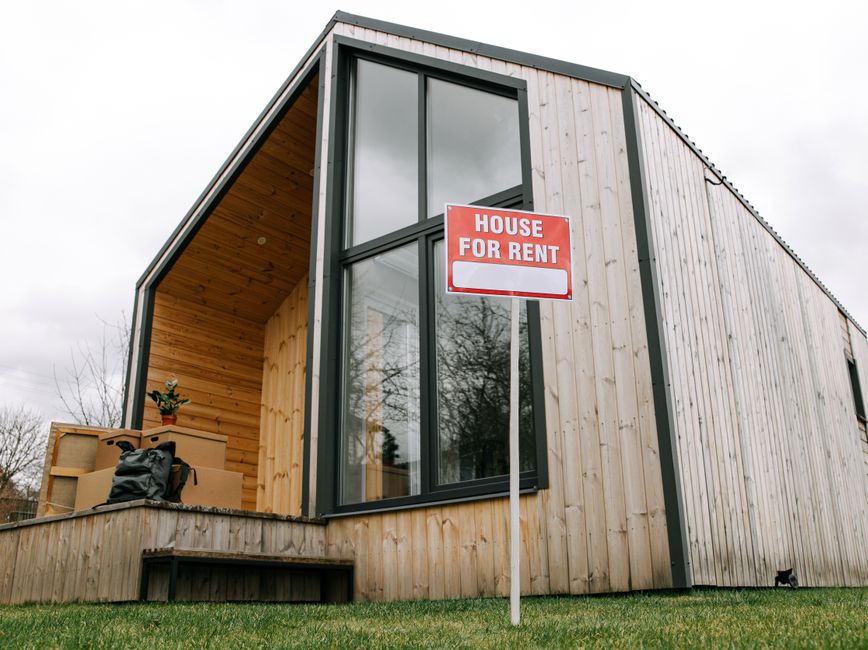
Moscow's renters are spending an average of 35% of their income on housing, exceeding the recommended 30% threshold. This key fact has significant implications for the city's affordability crisis.
The 30% rule, a widely accepted benchmark for housing affordability, suggests that individuals should not spend more than a third of their gross income on rent or mortgage payments. In Moscow, where the cost of living is relatively high, this rule is often being stretched to the limit. With the city's dynamic real estate market and rising housing costs, it's essential to examine the practical implications of this rule and how it affects renters in different neighborhoods.
In areas like Tverskaya Street and Patriarch's Ponds, renters can expect to pay upwards of 50,000 rubles per month for a one-bedroom apartment. In contrast, neighborhoods like Maryina Roshcha and Sokol offer more affordable options, with prices starting from around 30,000 rubles per month. Organisations like the Moscow City Government's Department of Economic Policy and Development, and the Moscow Realtor Association, are working to address the affordability crisis through initiatives like subsidized housing programs and rent control measures.
According to data from the Russian Federal State Statistics Service, the average monthly rent in Moscow increased by 10% in the past year, reaching 43,000 rubles. Meanwhile, the average monthly salary in Moscow is around 60,000 rubles, leaving many renters with limited disposable income. A report by the Moscow-based real estate agency, INKOM-Nedvizhimost, found that 60% of renters in the city are spending more than 30% of their income on housing, with 20% spending more than 50%.
So, what happens next? For renters struggling to afford housing, it's essential to explore options like shared accommodation or negotiating with landlords to secure more affordable rates. The Moscow City Government's rent subsidy program, which provides financial assistance to low-income families, is also worth considering. As the city continues to grow and develop, it's crucial to prioritize affordable housing and ensure that the 30% rule remains a realistic and achievable benchmark for renters.
About this article
Published by The Daily Moscow
Spread the word
Daily brief
Free, in your inbox before 7am. Weekdays.
The Daily Network — local news across Australia


