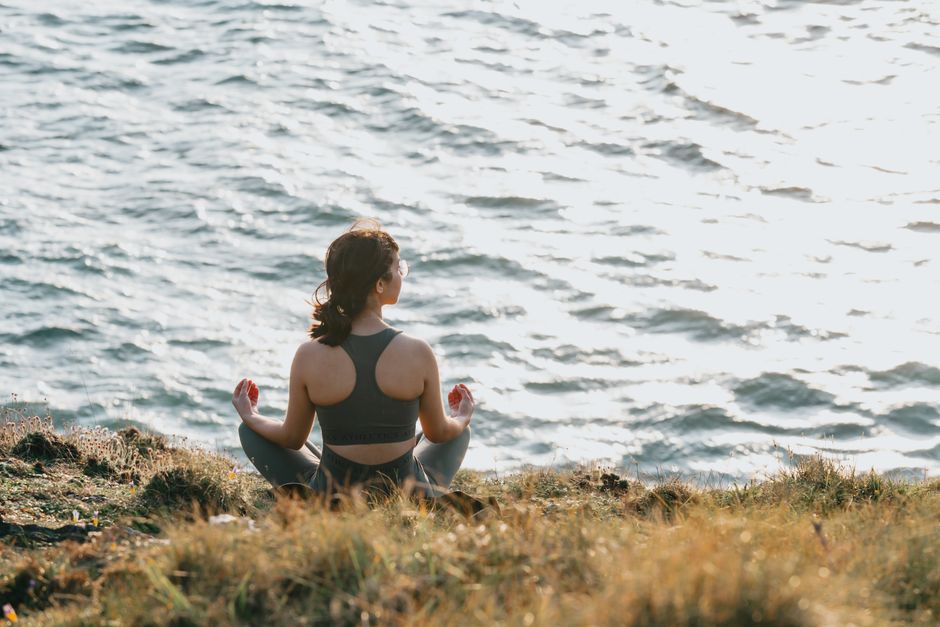
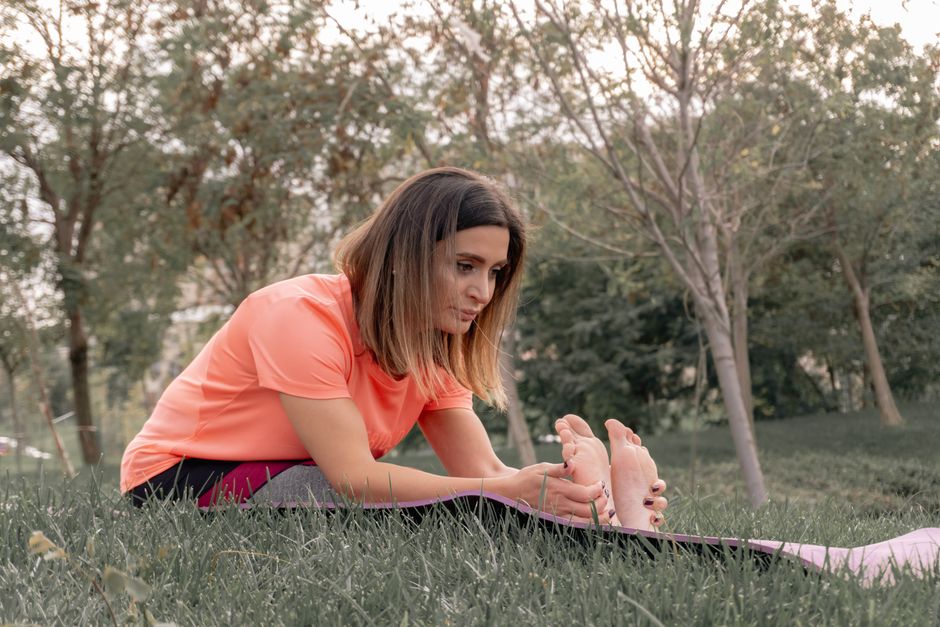
The simplest mindfulness practice available to Canberrans costs nothing, requires no booking and starts the moment you step out the door. Walking meditation — the deliberate act of treating each stride as an object of focused attention rather than a means to get somewhere — is drawing renewed interest from mental health practitioners and exercise researchers alike, and the ACT's purpose-built green corridors make it unusually easy to try.
The timing matters. Australians are spending more hours than ever in sedentary, screen-dominated work, a pattern that accelerated after hybrid-work arrangements became standard across the Australian Public Service, which employs roughly 100,000 people in the ACT. Meanwhile, wait times for psychology appointments in Canberra continue to stretch beyond six weeks at many private practices, pushing people toward self-managed techniques that don't require a referral. Walking meditation sits squarely in that gap — accessible, evidence-supported and free.
Where to actually do it in Canberra
The 28-kilometre loop around Lake Burley Griffin is the obvious starting point, but practitioners and trail regulars tend to point to quieter stretches. The section of the Central Basin foreshore running from Acton Park past the Australian National University boatsheds to Lennox Crossing is flat, relatively free of cyclists early on weekday mornings and bordered by enough visual anchors — the water, the Brindabella ranges on the horizon, the Carillon — to help attention settle. The Tuggeranong parkrun course, which winds through Greenway near the Tuggeranong Town Park each Saturday morning from 8am, doubles as a surprisingly good walking-meditation route on non-race days; the familiar path removes the cognitive load of navigation, freeing attention for the practice itself.
Beyond Blue's ACT regional services have long recommended outdoor movement as a complement to formal therapy, noting that combining physical activity with attentional practices can help regulate the nervous system outside clinical settings. The ANU Students' Association also lists walking-based mindfulness as part of its free student wellness programming each semester, with guided group walks scheduled through the campus bushland tracks behind Fenner Hall.
The technique itself is straightforward to start. Pick a fixed distance — even 200 metres will do on a first attempt. Walk at about 70 per cent of your normal pace. Direct attention to the physical sensations of each footfall: the heel contact, the roll through the arch, the push-off from the toes. When the mind drifts — and it will, within about eight seconds for most beginners — simply notice that it has drifted and return attention to the feet. That returning is the practice, not a failure of it.
What the evidence says
A 2023 meta-analysis published in the journal Complementary Therapies in Medicine reviewed 18 randomised controlled trials and found that walking meditation produced statistically significant reductions in anxiety scores compared to ordinary walking, with effect sizes ranging from moderate to large. Participants in those trials typically practised for 20 to 30 minutes, three to four times per week over an eight-week period — roughly the same commitment as training for a 5-kilometre event. The Mindfulness-Based Stress Reduction program, developed at the University of Massachusetts in 1979 and now widely adapted across Australian health services, incorporates walking meditation as a core element of its standard eight-week course. Courses run through ACT Health-affiliated providers in Canberra typically cost between $395 and $550 for the full program, though Medicare rebates apply when referred by a GP under a Mental Health Treatment Plan.
Starting small is more important than starting perfectly. A ten-minute walk along the shared path between Commonwealth Park and the National Rose Gardens off Treloar Crescent, Parkes, is enough to experiment with the basics. Gradually extend the duration. Leave headphones at home — or at least remove one earbud. The goal for the first two weeks is simply to notice what the body is doing rather than what the mind is planning. For those who want structure before going solo, Beyond Blue's online resources point to local mindfulness groups, and the ACT Mental Health Consumer Network maintains a community directory updated quarterly. Anyone dealing with significant anxiety, depression or trauma should talk to a GP or mental health professional before relying on self-managed approaches alone.