Canberra's inner-north suburbs have become a proving ground for the changing Australian property market. Prices in suburbs like Dickson and Lyoneleigh have softened by 8-12 percent since early 2025, according to CoreLogic data released last month. For renters and buyers weighing the move to Canberra, that shift changes the calculus entirely.
The property slowdown isn't the only reason people are reconsidering where they live. Rental vacancy rates in the ACT sit at 0.9 percent, among the tightest in the country. Young professionals and families are asking harder questions about neighbourhoods before they commit: What's actually walkable? Which suburbs have real community infrastructure? What will this really cost me month to month?
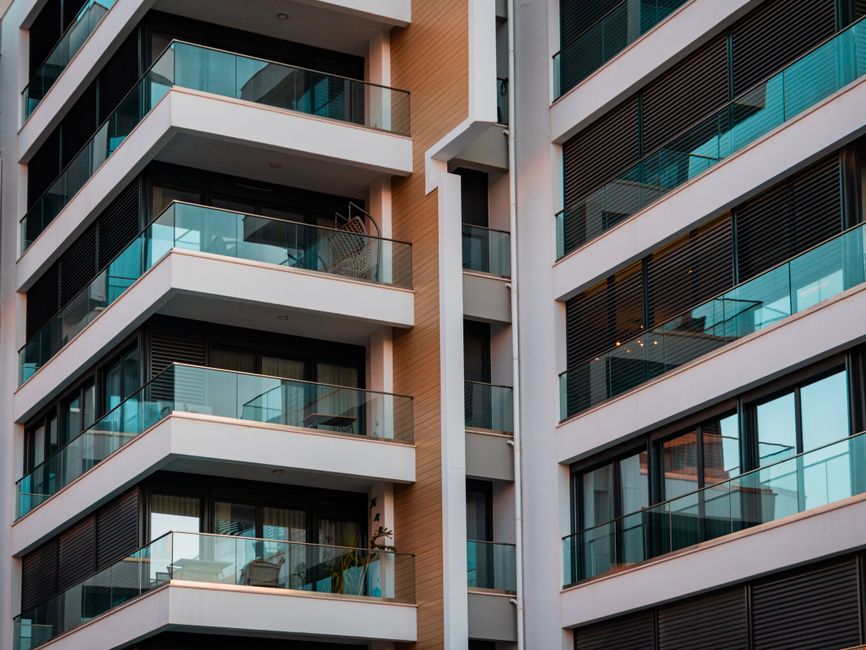
Braddon and Ainslie offer different answers to those questions. Braddon's revival hinges on its proximity to the city centre and increasingly dense cafe culture along Lonsdale Street. The neighbourhood has attracted small bars, independent bookshops, and the regular Canberra Craft beer gathering at venues like Molly, which draws regulars from across the city. Rental prices for a one-bedroom apartment in Braddon run between $480 and $550 per week currently. Ainslie, perched higher and quieter, costs slightly less—$450 to $520—but the trade-off is distance from that street-level activity. Both suburbs sit within 15 minutes' drive of the city centre.
What the numbers actually tell you
The real gap opens when you look at what amenities cost you beyond rent. A household survey conducted by the ACT Council of Social Service in April 2026 found that inner-north residents spent an average of $340 per week on groceries, transport, and utilities combined. That's roughly 12 percent lower than the ACT average, largely because public transport on the 7 and 9 bus routes running through Braddon and Ainslie reduces car dependency. A monthly gym membership at Fitness First on Northbourne Avenue costs $89. Coffee in Dickson's Thomas Waite precinct runs $5 to $6.50. A meal at the casual restaurants clustering around Lonsdale Street—Vietnamese, Turkish, Italian—sits between $18 and $28.
Gungahlin suburbs to the north present a different calculation entirely. Gungahlin Town Centre has grown as a secondary shopping and dining hub over the past five years. Rent there is 18-22 percent cheaper: one-bedroom apartments rent for $380 to $450 weekly. The trade-off is a 25-minute commute to the city and fewer independent businesses—more chain stores, fewer local gems. For families, though, Gungahlin's newer primary schools and open green spaces around Lake Gungahlin often outweigh those factors.
Getting your foothold
Renters should expect to pay a holding bond equal to four weeks' rent, managed through the ACT Rental Tenancy Office. That's typically $1,920 to $2,200 for an inner-north one-bedroom. Most landlords require proof of income (payslips from the last two months) and a reference from a previous landlord. Processing takes 7 to 14 days.
First-home buyers face harder numbers. A modest two-bedroom house in Ainslie sits around $785,000 currently. In Gungahlin, the same property runs $620,000 to $680,000. With interest rates holding at 4.1 percent and banks requiring 20 percent deposits, the monthly mortgage on an Ainslie property stretches beyond $5,000. Canberra's First Home Buyer Grant—$20,000 for new builds, $15,000 for existing homes—helps, but doesn't eliminate the gap.
Before you sign anything, spend a Saturday morning in whichever suburb you're considering. Walk the main streets at 9am and 6pm. Visit the local library—Braddon Library on Guthrie Street and Dickson Library on Woolley Street both run community programs that signal neighbourhood vitality. Check Google Maps for restaurants, shops, and parks within a 10-minute walk. Ask the real estate agent or landlord about internet speeds and mobile coverage; some inner-north pockets still have patchy NBN rollout. Then run the numbers again. The softening property market gives you time to get the decision right.