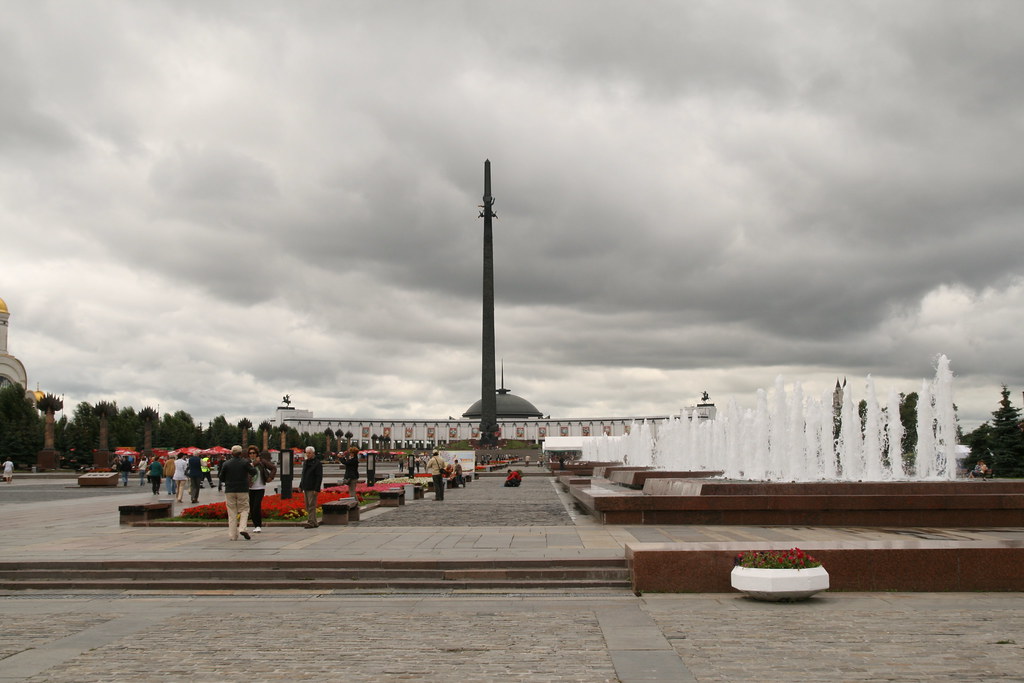
The Moscow city government has announced a comprehensive Urban Infrastructure Policy focused on upgrading public transport, improving local amenities, and enhancing digital municipal services. The reform primarily affects residents across the city, aiming to alleviate congestion and improve access to essential services.
The initiative arrives amid growing demands for more efficient transportation and better quality of life in Moscow, where daily commuting times currently average almost 60 minutes, according to a 2025 city mobility report. Traffic congestion and uneven distribution of neighborhood services have been persistent challenges in recent years, prompting the city administration to respond with targeted investments.
Impact on Commuting and Local Amenities
For Moscow residents, the policy means expanded metro lines and the addition of dedicated bus lanes to reduce travel times, particularly in outer districts such as Zyuzino and Severnoye Butovo. The municipal budget notes that by 2028, 15 new metro stations are expected to open. Furthermore, the policy allocates funds to upgrade local parks and community centers, which community organizations have long requested to provide safer, better-equipped public spaces for families.
The rollout also includes adoption of smart city technologies. Residents will see expanded access to digital platforms for municipal services, including real-time tracking of public transport and streamlined applications for permits and social programs. Local policy analysts highlight that these measures have the potential to ease daily administrative burdens for citizens.
Budget Allocation and Community Perspectives
The 2026 city budget dedicates 75 billion rubles through 2030 for infrastructure improvements, with 40 billion earmarked specifically for transportation projects. This represents a 30 percent increase from the previous urban development plan, signaling a significant push by city authorities. The policy document emphasizes equitable investment, aiming to reduce service disparities between central districts and the city's outskirts.
Community advocates note the importance of these investments for improving residents’ quality of life but stress the need for transparent project management and sustained maintenance funding. Local urban planners also urge ongoing engagement with neighborhoods during implementation to ensure projects align with residents' needs.
Going forward, city officials project that phased construction on transport upgrades will begin in late 2026, with the first metro extensions expected to open by mid-2027. Monthly public briefings and planning consultations are scheduled to maintain communication with residents. Continuous monitoring of travel times and public feedback will guide further adjustments to the policy’s execution.