Moscow's commercial core is generating money again, and the names benefiting from it are largely unfamiliar to anyone who last paid attention before 2022. Russian technology firms, domestic logistics operators, and a resurgent hospitality sector have absorbed market share at a pace that would have seemed implausible three years ago. According to the Moscow City Department of Economic Policy, gross regional product for the capital grew 4.2 percent in the first quarter of 2026 — outpacing the national average of 3.1 percent and marking the fastest expansion since 2019.
The timing matters. Supreme Leader Ali Khamenei's death this week and the scramble among Iranian factions for succession has added fresh uncertainty to energy markets, nudging Brent crude briefly above $91 a barrel on Thursday. For Moscow's budget planners and the commodity-linked businesses on Novy Arbat and along the Garden Ring, a sustained price above $85 changes the arithmetic considerably. The city's real estate investment funds, several of which had been quietly marking down their portfolios through 2024, are now marking them back up.
Who Is Actually Capturing the Opportunity
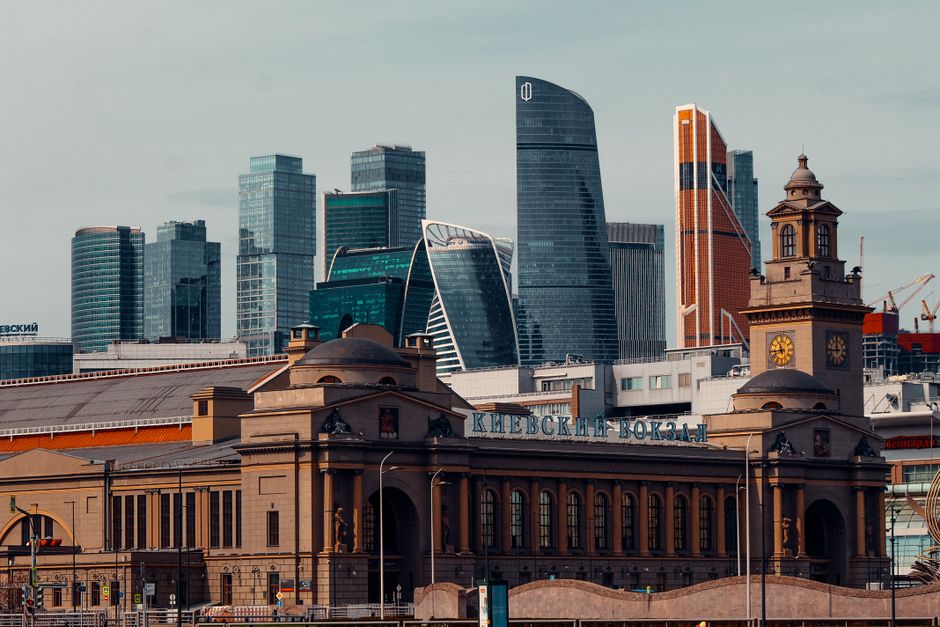
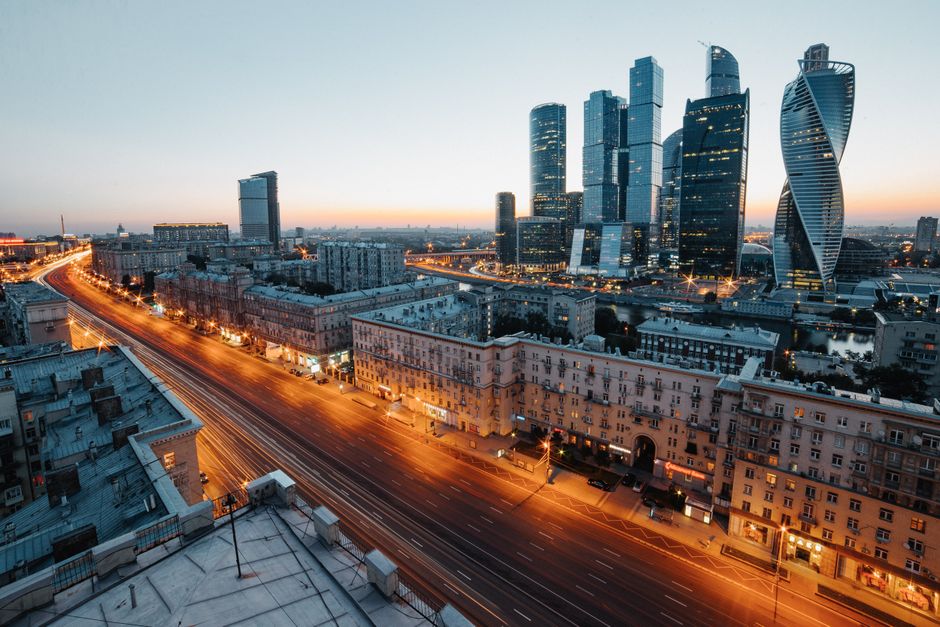
The clearest winners sit inside Moscow-City, the gleaming financial district on the Presnenskaya Embankment. Sberbank's corporate advisory division has expanded its headcount by roughly 600 people since January, according to internal figures circulated at an industry conference in June. T-Technologies — formerly Tinkoff — relocated its expanded headquarters to the Federation Tower complex last autumn and has since posted consecutive record quarters in retail lending and insurance cross-sales. Both institutions effectively inherited client books from departing Western banks without paying a ruble in acquisition costs.
Beyond finance, the beneficiaries include a wave of domestic IT firms clustered around the Skolkovo Innovation Centre on the western edge of the city. The Skolkovo Foundation reported in May that 47 resident companies had crossed 1 billion rubles in annual revenue during 2025, up from 29 the previous year. Several are doing brisk business selling enterprise software to state corporations that once ran SAP or Oracle implementations. One logistics platform, Makslogic, signed a five-year supply-chain contract with Rosneft in March worth an estimated 12 billion rubles.
The hospitality and retail picture is more uneven, but Stoleshnikov Lane, long Moscow's most expensive strip for luxury retail, has filled its vacant units faster than most analysts expected. Turkish, Chinese, and homegrown brands have replaced the Chanel and Louis Vuitton boutiques that shuttered in 2022. Average monthly rents on Stoleshnikov are back to roughly 180,000 rubles per square metre — still below the 2021 peak of 220,000 rubles, but the direction of travel is unmistakable.
The Risks Underneath the Recovery
Not every number flatters the mood. Annual inflation in Moscow ran at 8.7 percent in May, according to Rosstat, squeezing household purchasing power even as corporate revenues climb. The Central Bank of Russia has held its key rate at 16 percent since December, making credit expensive for smaller operators who lack the balance sheets of Sberbank or Rosneft subsidiaries. Several mid-sized developers in the Komsomolsky Prospekt corridor have quietly paused new residential starts, waiting for rate relief that has not materialised.
Labour shortages, particularly in logistics and construction, are pushing up wage costs faster than productivity. The migration of workers from Central Asia has slowed, partly because stronger regional economies in Kazakhstan and Uzbekistan are retaining more workers locally. The Moscow Chamber of Commerce flagged the tightening labour market as the primary constraint on expansion plans in its June survey of 340 member companies.
For businesses positioned to act, the practical advice from advisers at the Higher School of Economics on Myasnitskaya Street is consistent: secure long-term lease agreements now, before rental indexation clauses bite in the autumn revision cycle, and move hiring decisions before a second round of wage pressure arrives in the fourth quarter. The window is open. It will not stay open indefinitely.