Business
Moscow's Retail Landscape Shifts: Five Changes Hitting Your Wallet This Summer
From Arbat boutiques to Avito delivery lockers, the capital's commerce landscape is changing fast — and your wallet will feel it.
4 min read
Updated 2 h ago
Business
From Arbat boutiques to Avito delivery lockers, the capital's commerce landscape is changing fast — and your wallet will feel it.
4 min read
Updated 2 h ago

Moscow's retail sector entered July 2026 with a notable set of pressures and opportunities that ordinary shoppers cannot afford to ignore. Consumer price growth in the capital held at roughly 8.3 percent year-on-year through June, according to figures from the Federal State Statistics Service, Rosstat — outpacing the national average and squeezing household budgets in neighbourhoods from Maryina Roshcha to Khamovniki.
The timing matters. Mid-summer is traditionally when Moscow retailers launch major markdown cycles, clearing spring inventory before the back-to-school season cranks up in August. But this year, several large chains have moved those promotions forward by two to three weeks, a tactical shift driven partly by softening consumer confidence and partly by a glut of unsold imported goods that cleared customs in the first quarter before new tariff adjustments took effect in May.
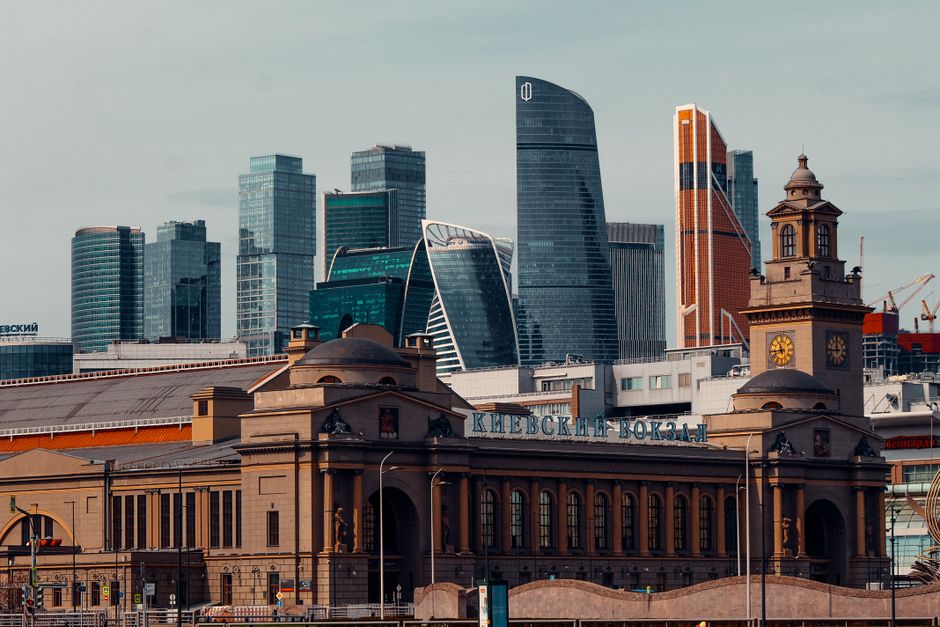
The most visible change is on the ground floor of major malls. At Evropeysky shopping centre near Kievskiy railway station, four anchor tenants vacated their units between April and June, including two mid-range clothing brands that had held leases since 2018. Their spaces are being reconfigured for experiential retail — think fitness studios and food-concept operators — under a redevelopment managed by the centre's operator, Enka TC. Across town at Afimall City in Moscow City, foot traffic for the first half of 2026 was up about 6 percent compared with the same period last year, suggesting consumers are consolidating shopping trips into premium, climate-controlled destinations during the unusually hot summer weeks.
The Tsvetnoy Central Market on Tsvetnoy Boulevard remains a barometer of middle-class Moscow spending. Its grocery floor reported a 14 percent jump in ready-meal and deli sales during June — analysts at the consulting firm INFOLine attribute the trend to a combination of heat fatigue and the growing proportion of dual-income households who simply do not want to cook. The average receipt there for a family grocery run now sits around 4,200 roubles, up from roughly 3,600 roubles in July 2025.
For many Muscovites, the mall visit is now an exception, not a habit. Wildberries and Ozon together account for an estimated 43 percent of all retail transactions in the Moscow metropolitan area as of Q1 2026, according to Data Insight research. Ozon opened its 200th pickup point inside the Moscow Ring Road in May, with a notable cluster now operating in Butovo and Biryulyovo — neighbourhoods that were previously underserved by express delivery infrastructure. Delivery windows have compressed: same-day fulfilment is now the expectation for orders placed before noon, not the premium exception.
That shift is pressuring traditional grocery retailers hard. Magnit and X5 Group, which operates Pyatyorochka and Perekryostok stores across the city, have both accelerated their own dark-store build-outs to compete on speed. X5 confirmed in late June that it plans to add 30 dark-store fulfilment nodes within the MKAD by the end of Q3 2026.
For everyday shoppers, the practical upshot is this: loyalty programmes have quietly become more valuable than at any point in recent memory. Both Wildberries and Ozon are running cashback rates of 5 to 8 percent for subscribers to their premium tiers through the end of August — a direct subsidy to budget-conscious consumers that is worth activating now. In physical retail, the best discount windows this summer fall in the second and third weeks of July, as retailers hit their inventory reduction targets ahead of the August planning cycle. Shoppers in central districts should also note that several Arbat-area independent stores have joined a cooperative discount program run through the Moscow Chamber of Commerce, offering up to 20 percent reductions on presentation of a city resident card. Checking which outlets have signed up takes about two minutes on the Chamber's website and could meaningfully cut a routine household spend.
About this article
Published by The Daily Moscow
Spread the word
Daily brief
Free, in your inbox before 7am. Weekdays.
The Daily Network — local news across Australia